Colombia: My 2 weeks travel itinerary

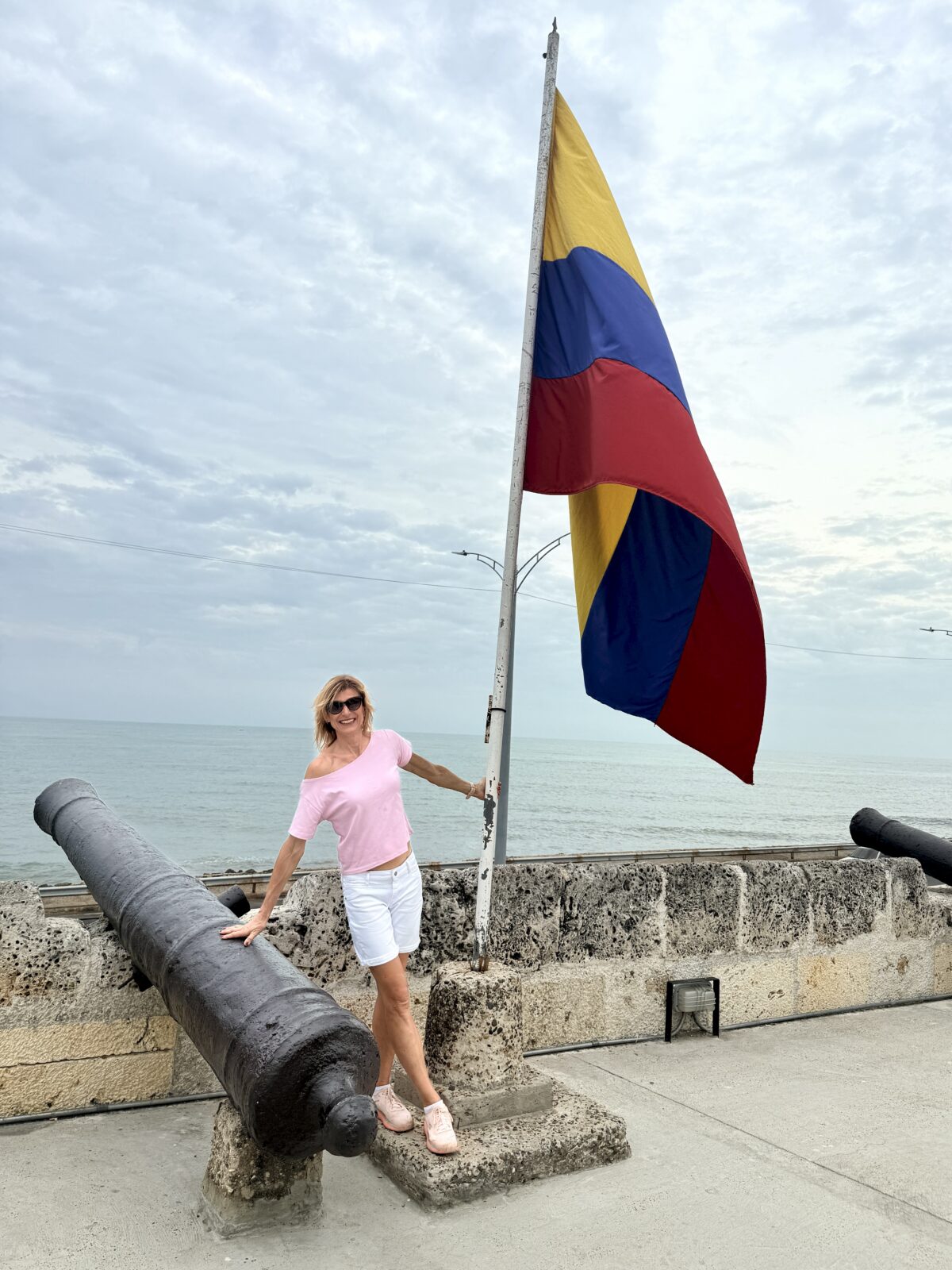
Travelling in LATAM has been my dream for years. Eventually, I decided it was time to go. The question was which country to start with. And after talking to people, I kept hearing the same advice — start with Colombia.
But why Colombia? Well, because you can get everything there — from the Andes mountains to historical cities to Caribbean beaches. And that sounded like the perfect mix I was looking for.
The original idea was to do a 2-week road trip — land in Bogotá, rent a car, and travel all the way to places like Santa Marta and Cartagena. But again, after consulting directly and indirectly with Colombians, I was strongly advised not to do so. Everyone agreed on one thing: it’s just so much easier, faster, and safer to catch internal flights.
Taking into consideration that my Spanish (except for a few words) is basically nonexistent, I took the advice and created an itinerary that I believe can be perfect for anyone who has never been to Colombia, doesn’t speak Spanish, but still wants to stay flexible and adjust plans on the go.
Table of Contents
Day 1: Arrival
I landed in Bogotá in the early afternoon, but by the time I got through passport control and Bogotá traffic and finally reached the hotel, it was already early evening. I had done quite a bit of research to choose the right accommodation. At first, it seemed obvious to stay in the city center, and that was my initial plan. But after digging deeper, I realized it might not be the best choice in terms of overall security.
So here comes the trade-off. The best areas to stay seem to be Chapinero or Zona T. The downside is that getting to the city center takes about 30 minutes by Uber (depending on traffic).
I chose to stay at the Radisson Bogotá Metrotel in the Chapinero area, about a 15-minute walk from the lively Zona T and Zona Rosa — neighborhoods full of shops, restaurants, and bars.
Uber is reliable and very reasonably priced, and that’s the mode of transport I used to get around the city.
Day 2: Bogotá City Center
I love joining a free (tip-based) walking tour on my first day in a new city. For me, it’s a great way to get oriented and pick up some local knowledge and context. The 10 am start felt perfect since I needed to grab an Uber to get into town. I booked the tour with Beyond Bogotá.
The tour lasted about 2 hours and 45 minutes, and we walked through the entire historic city center — La Candelaria. Here are some spots you really shouldn’t miss:
- Plaza de Bolívar – the main square in Bogotá, surrounded by historical landmarks like the Palace of Justice, the National Capitol, and the Primary Cathedral of Bogotá.
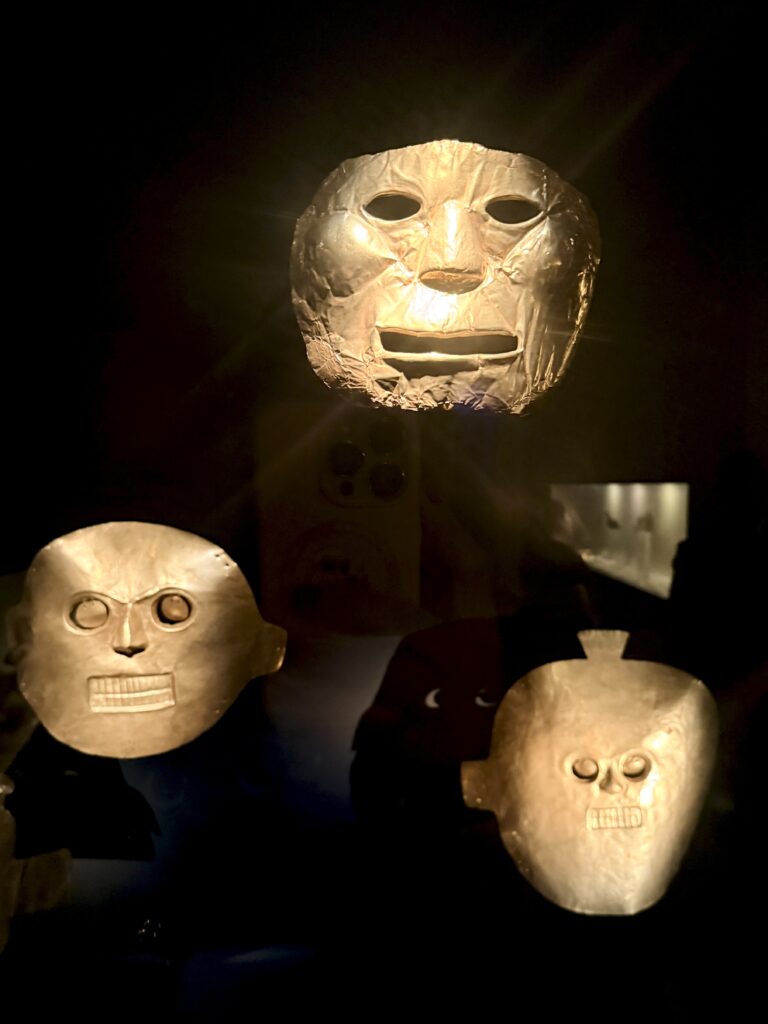
- Museo del Oro (Gold Museum) – home to the largest collection of gold artifacts in the world.
- Museo Botero – features paintings and sculptures by the Colombian artist Fernando Botero.
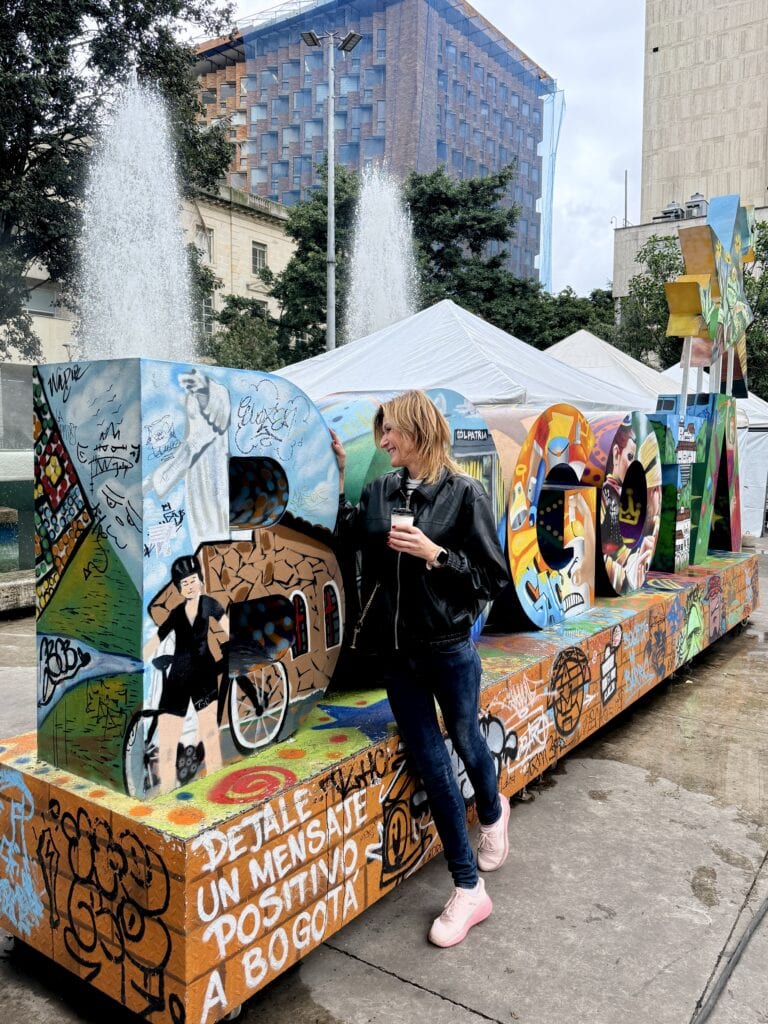
- Street art – vibrant murals and graffiti are scattered all around the area.
- Mercado de la Concordia – a more “touristic” marketplace where you can try chicha, a traditional corn beer.

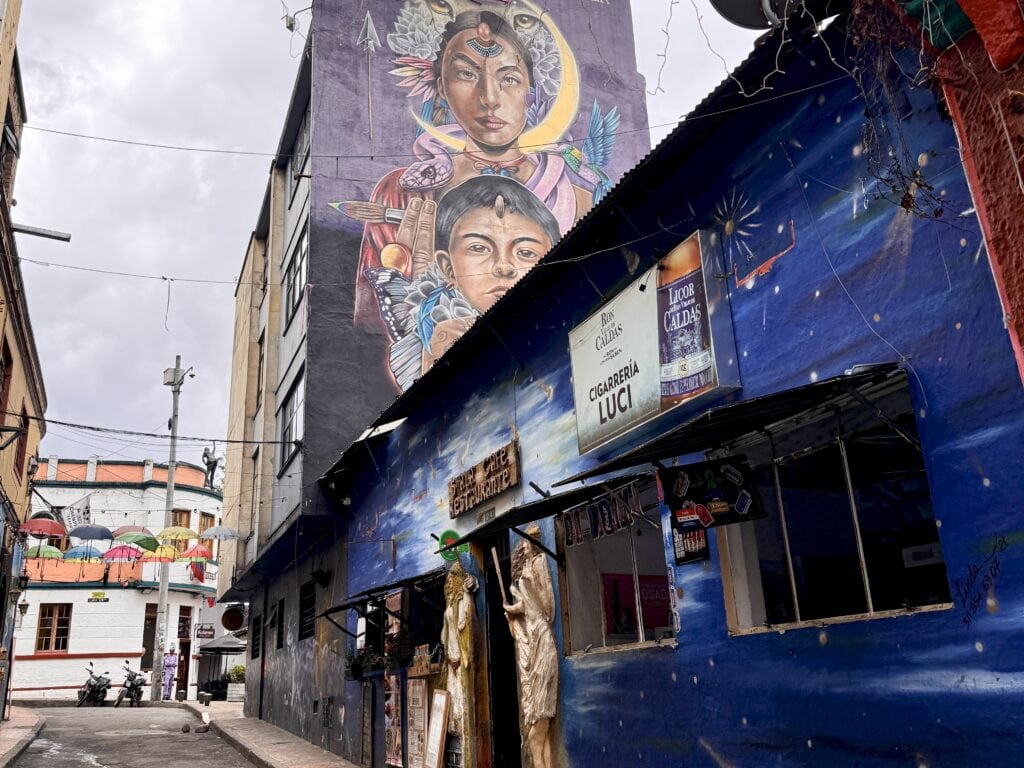
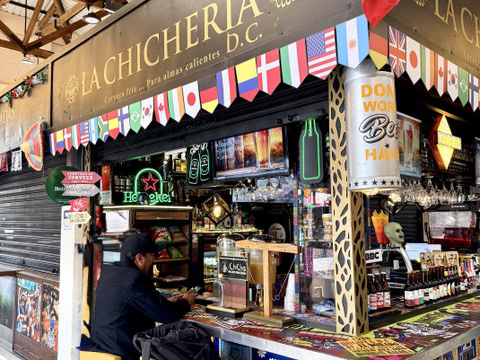
After the walking tour, I visited the Gold Museum and admired all the golden artifacts. Afterwards, I simply wandered around the streets until I got tired and eventually made my way back to the hotel.
Day 3: Day Tour to Guatavita Lake and Zipaquirá Salt Cathedral
This was an organized full-day tour from Bogotá that I found through the GetYourGuide platform. The tour operator was Bogotá Travel Experience, and I can highly recommend them. Everything was very well organized, and the tour guide was excellent. Pickup was around 8 am, and we got back to the hotel around 7 pm — definitely a long day.
Guatavita Lake
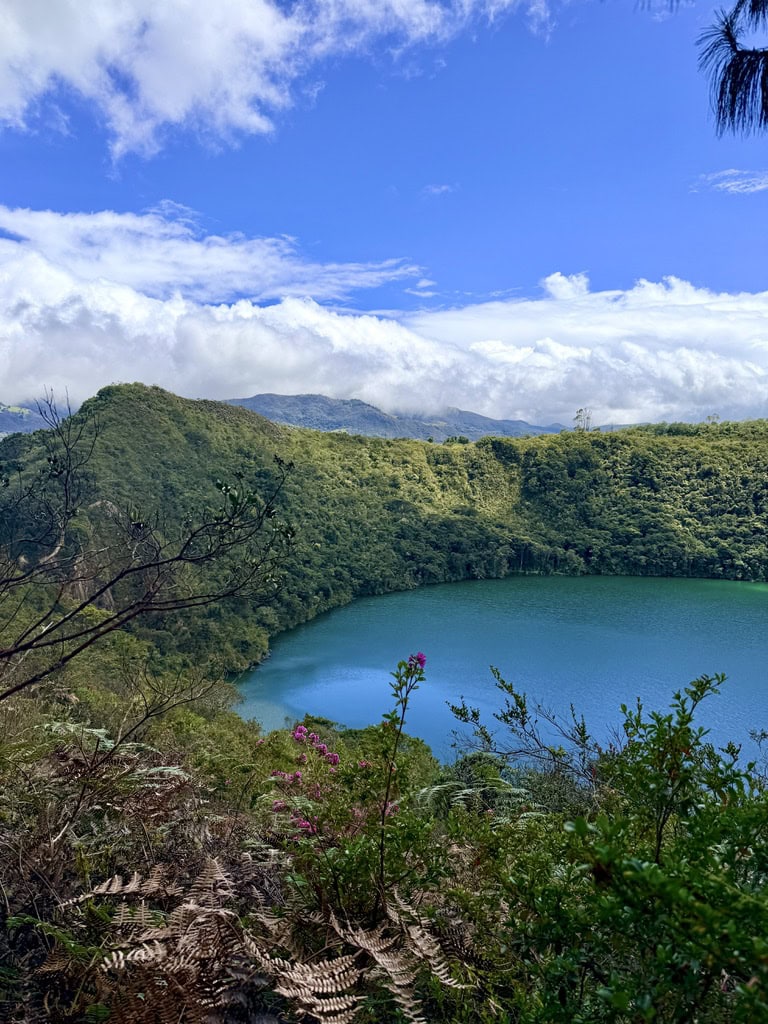
Have you heard the story of El Dorado? The golden city that many searched for but never found?Guatavita Lake, located high in the Andes at 3,200 m, lies at the heart of this legend. The story comes from an ancient Muisca ritual, where a new chief, covered in gold dust, would plunge into the lake, offering gold and jewels to the gods.
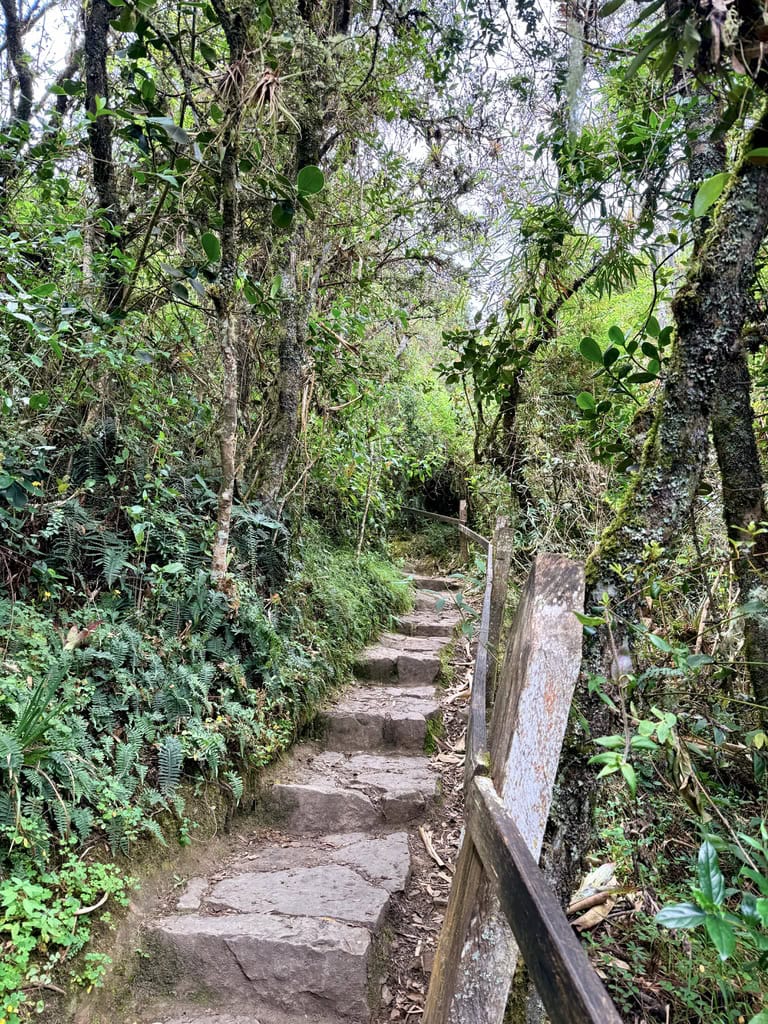
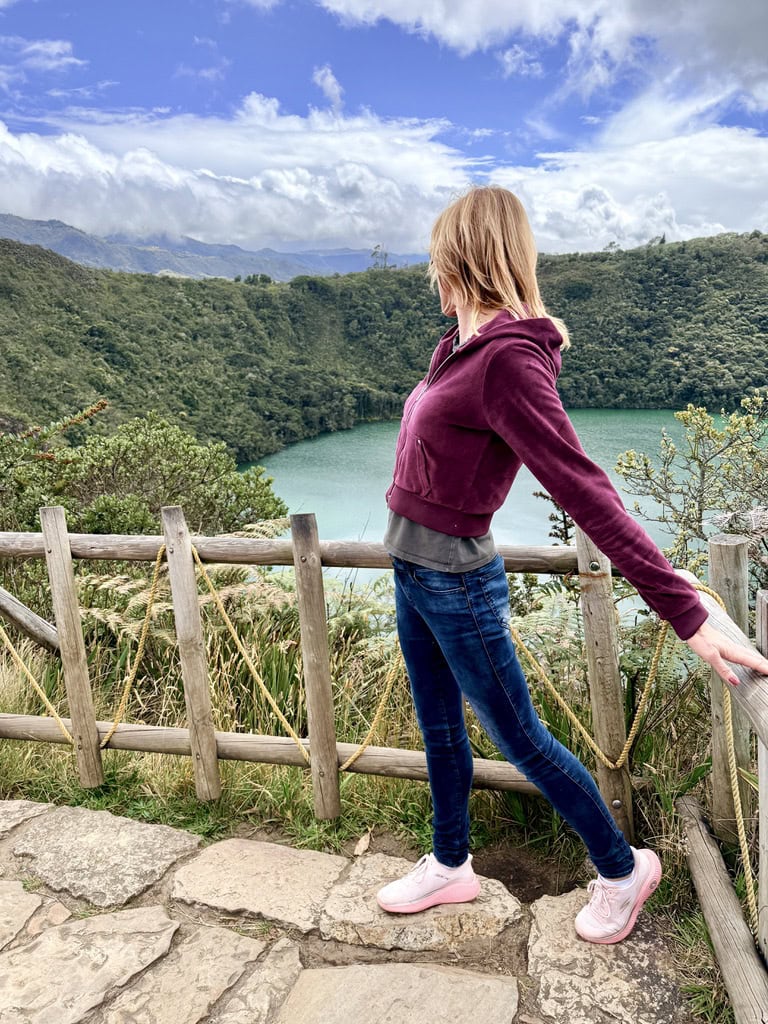
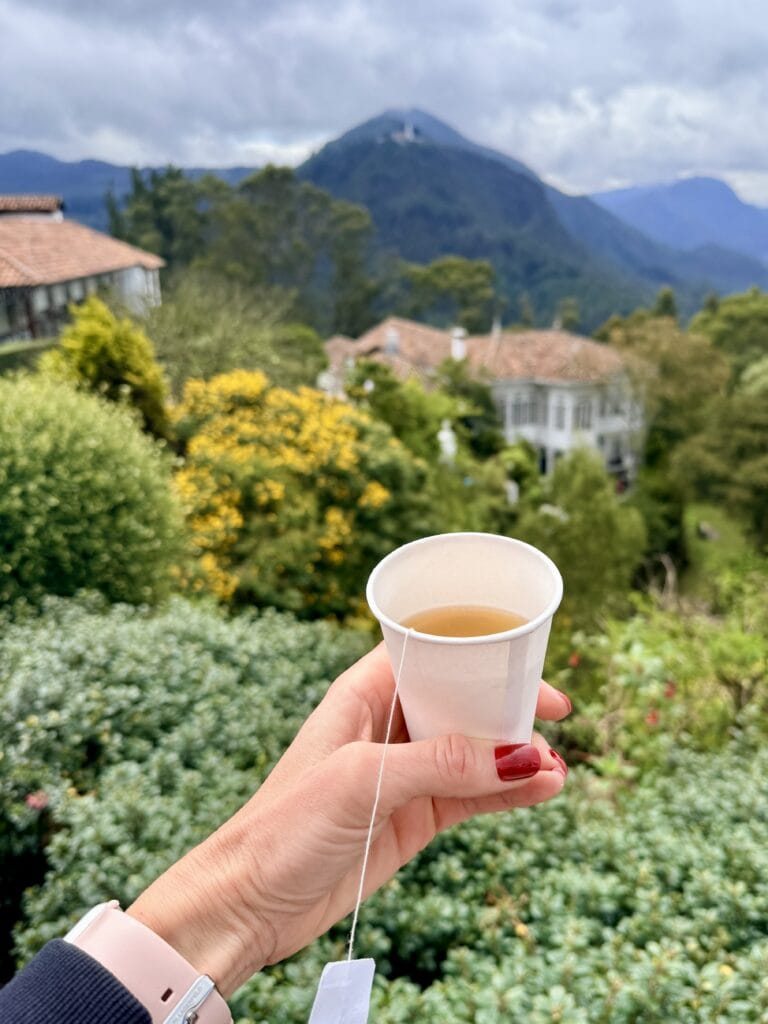
The lake and the surrounding area are part of a national park. There’s an entrance fee, and it’s only possible to visit with a guide. The walk is quite steep, climbing from around 2,600 m up to 3,200 m, and the air definitely gets thinner. Our guide recommended buying and drinking coca tea at the entrance to help with the altitude. The tea was delicious, and reaching the lake was absolutely worth the effort — truly stunning.
After taking way many pictures, we started the descent back to the bus to continue the tour.
Zipaquirá Salt Cathedral
After reaching the town of Zipaquirá, we had a late lunch, bought our tickets, and entered what used to be (and still is) a salt mine. When the tour guide told us we would have 2.5 hours to visit the Salt Cathedral, I remember thinking, “What are we going to do there for so long?” Only after entering did I fully understand.
The Salt Cathedral is a Catholic church built within the tunnels of a salt mine. The tunnels, transformed into the stations of Jesus Christ’s last journey, lead about 180 m down into the mountain. There are massive underground spaces with altars and statues carved from salt, and the tour ends at the Dome with a large illuminated cross. It’s an absolutely incredible place.
The lower part of the mine has been turned into a commercial area with souvenir shops and cafés. Two things there are definitely not to be missed:
- Water mirror – a pond creating stunning reflections
- 3D movie – shown in a small cinema hall (about 20 minutes) and explaining the history of the salt mine
At the very end of the mine, there’s a train station that takes visitors back up. I actually decided not to use it and walked back through the Salt Cathedral instead to reach the top.
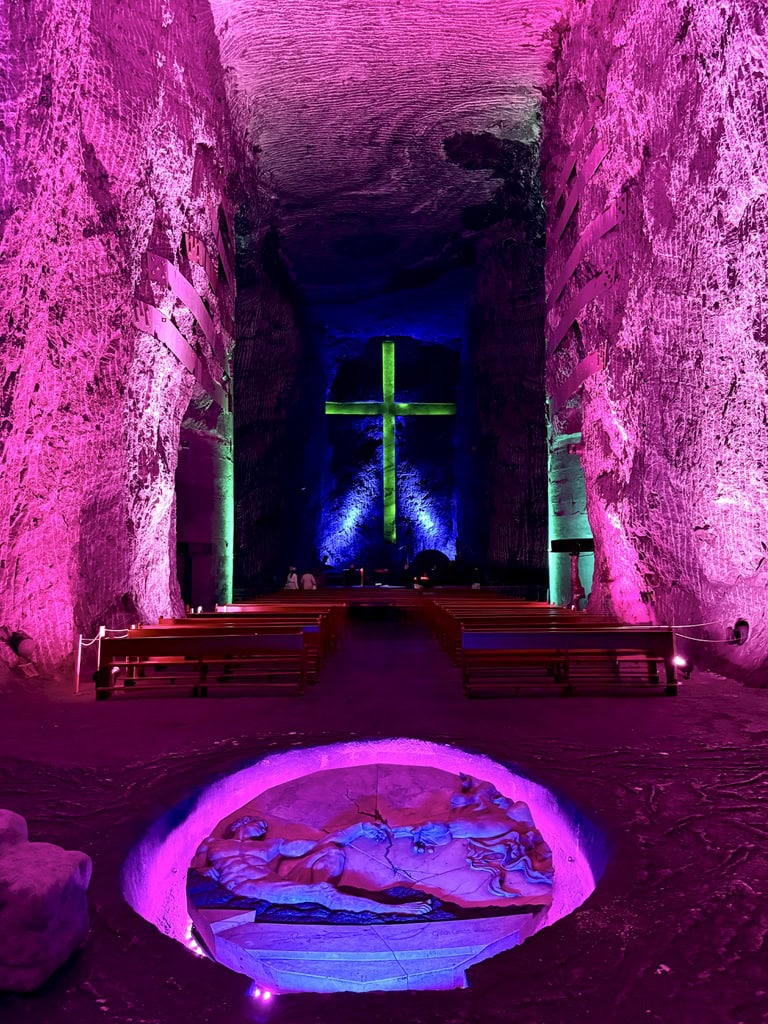
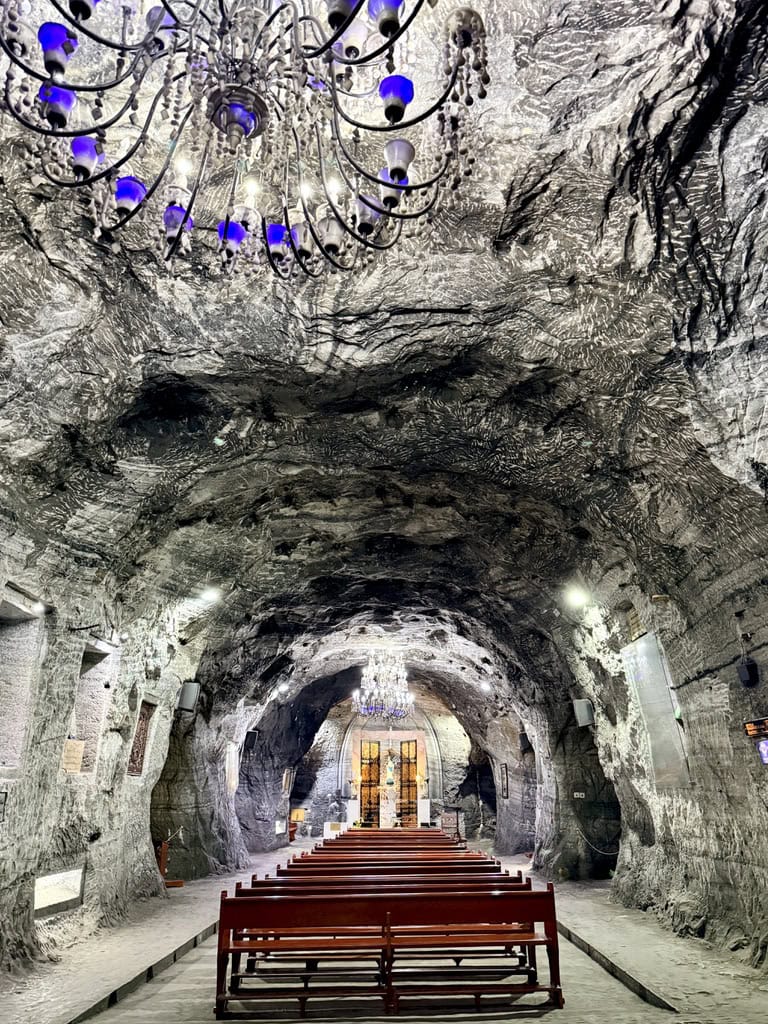
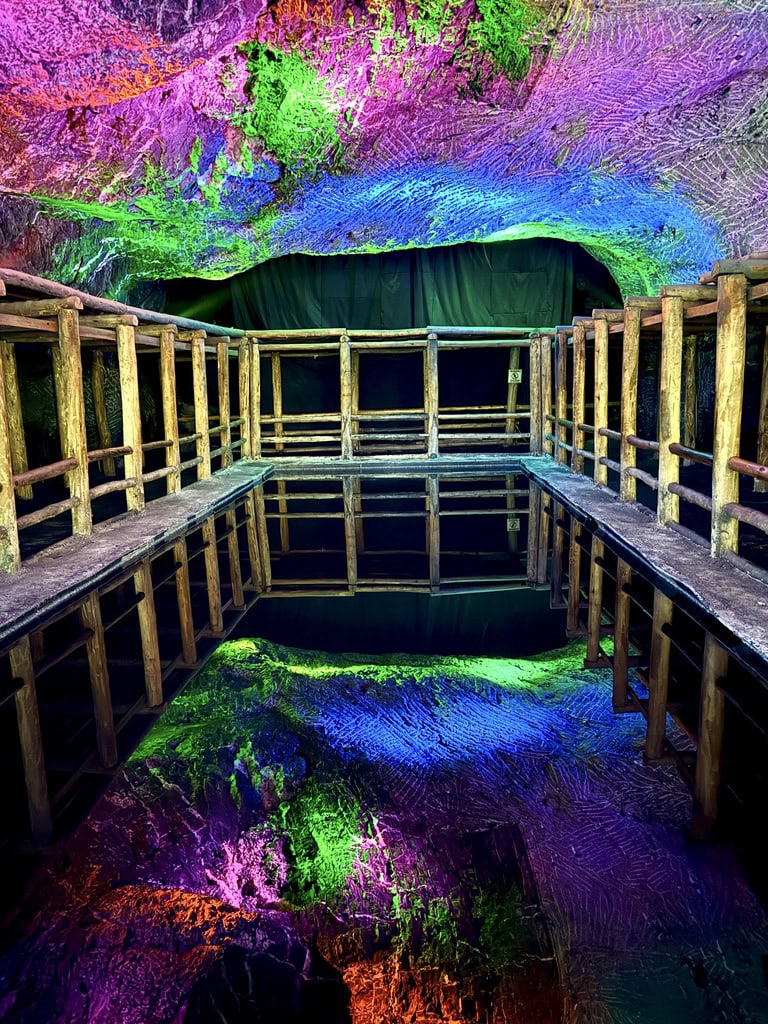
We arrived back in Bogotá around 8 pm, and while it was a long day, it was absolutely worth it.
Day 4: Monserrate
I always like to plan a more easy-going day, especially when the previous one was long. After breakfast, I ordered an Uber to take me to the Monserrate cable car/funicular station.
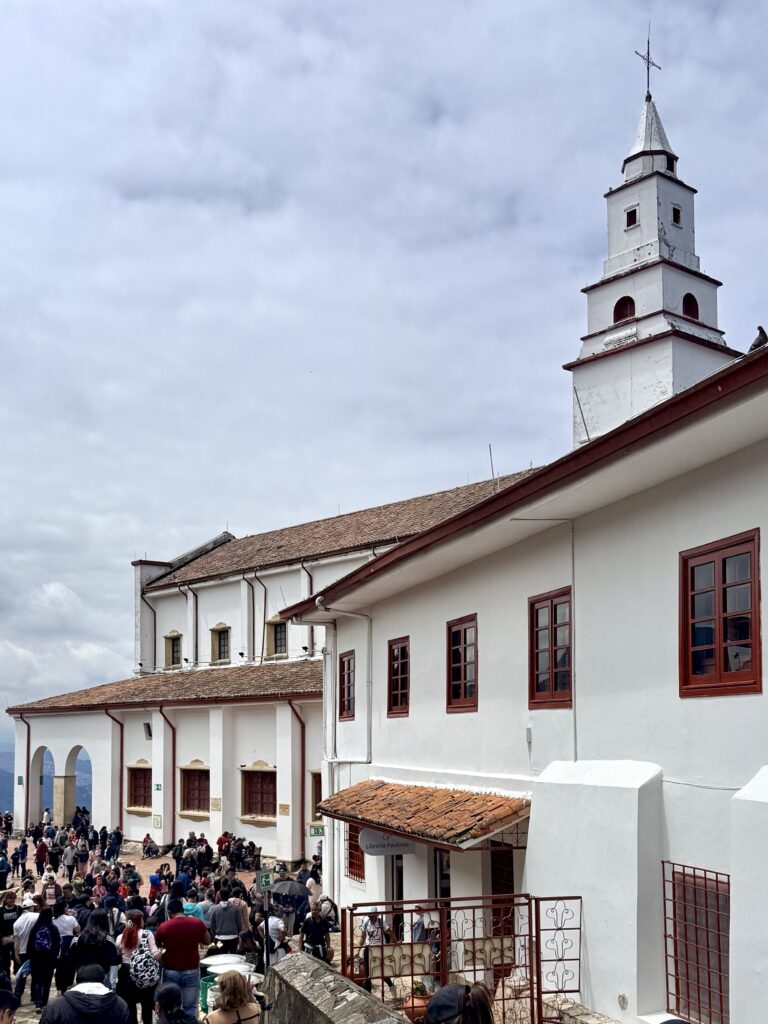
Monserrate is a hill overlooking Bogotá at an altitude of around 3,200 m. The church — Sanctuary of the Fallen Lord of Monserrate — is the main landmark at the top, but for me, it was really all about the views over the city.
There are two ways to get up: funicular or cable car. I originally wanted to take the cable car, but when I realized the wait time was about 45 minutes — compared to a much shorter wait for the funicular — I went with the funicular instead. I guess it really depends on the day and time you visit. I went on a Sunday morning, and it was very busy.
After walking around Monserrate, I returned back down by funicular. There is an option to walk down, but I was warned that it’s quite a steep descent, and I didn’t feel like risking an injury.
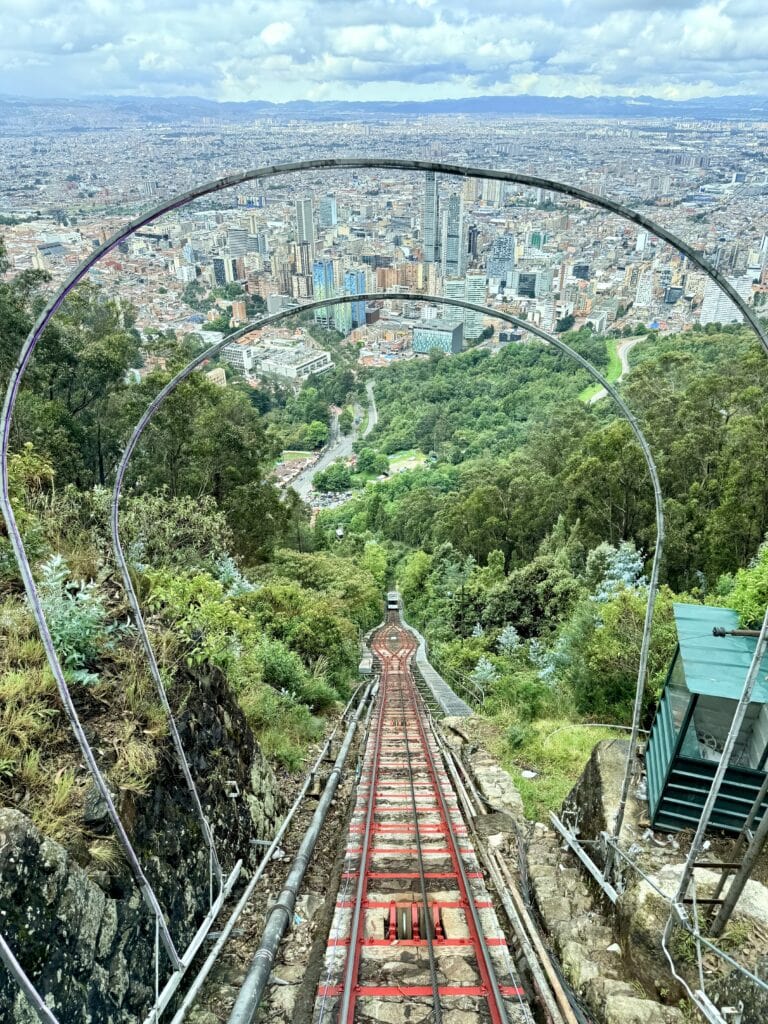
Back in the city, I wandered around the old town a bit more and then took an Uber back to the hotel. Later in the afternoon, I enjoyed hanging around Zona T and Zona Rosa, with all the shops and restaurants around.
Day 5: Coffee Plantation Day Tour
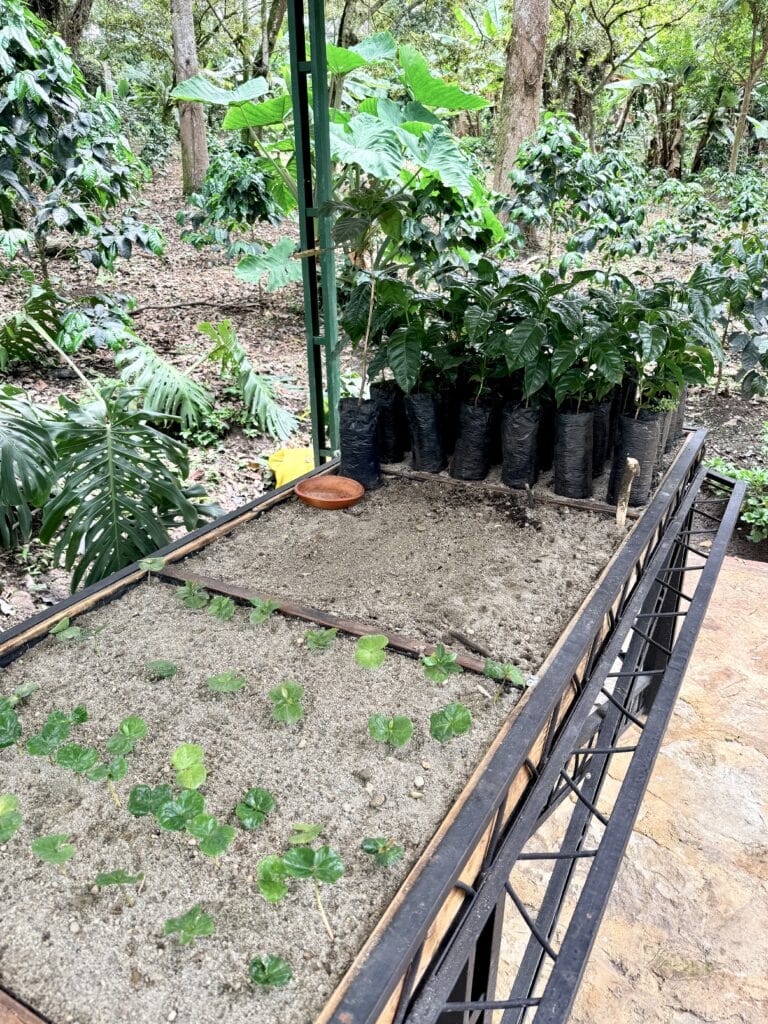
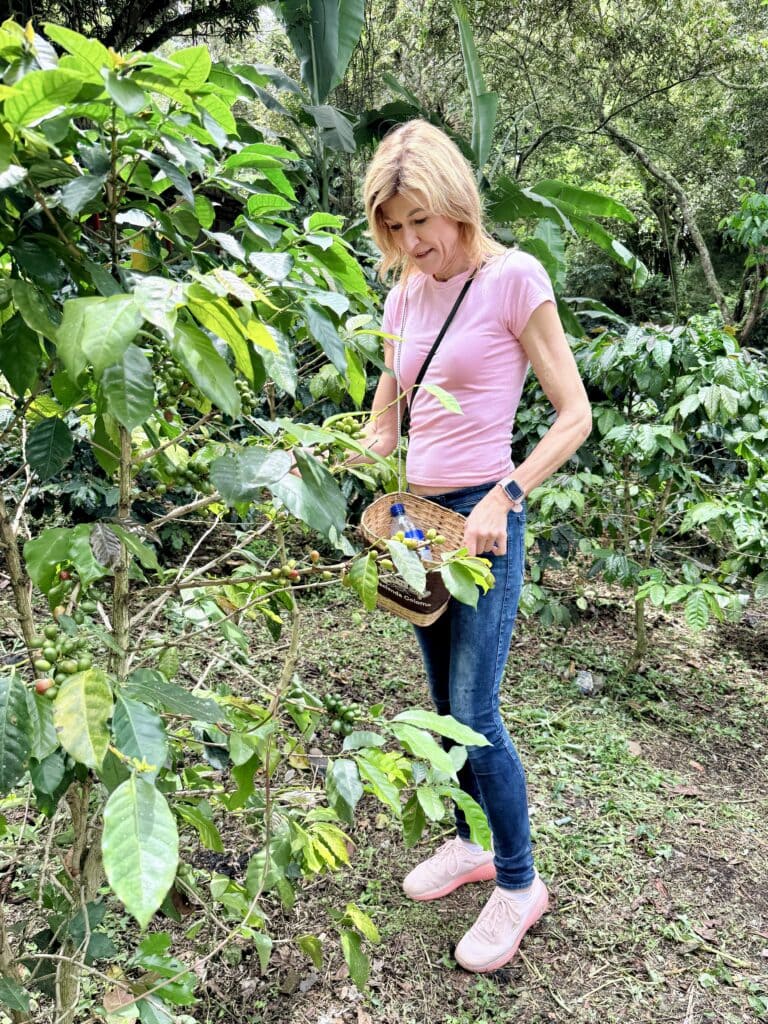
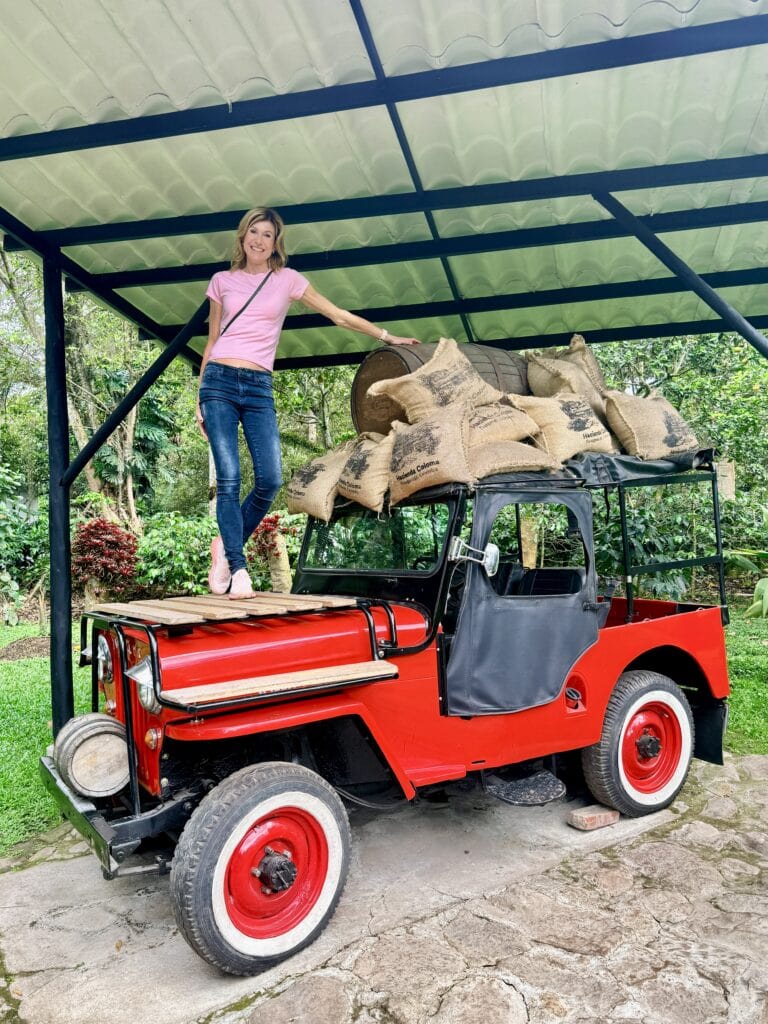
Another day tour from Bogotá — this time toHacienda Coloma in Fusagasugá. It’s a small coffee farm that showcases the entire process, from growing the coffee to roasting the beans. I’m a coffee lover, but I had never really realized how much work goes into filling my coffee machine with beans.
Fusagasugá is located about 70 km from Bogotá. It’s not far, but traffic can be quite heavy. It actually took about 2 hours to get back to the city.
Day 6: Transfer to Medellín
It was about time to leave Bogotá behind and continue the journey through Colombia. Internal flights are very frequent and reasonably priced, and the flight from Bogotá to Medellín takes only about 50 minutes.
I arrived at my hotel in Medellín around lunchtime. Originally, I had planned to do a walking tour in the downtown area, but with the warm weather and the sight of the swimming pool, I decided to just relax instead. I also wanted some time to settle in and get ready for another exciting tour.
I chose a hotel in El Poblado, a residential area in Medellín filled with cafés, restaurants, and hotels. I felt very safe staying there. I wouldn’t recommend staying in the city center itself, as it didn’t feel particularly safe during our walking tour (but I’ll get to that later).
Day 7: Day Trip to Guatapé
I found this tour through the GetYourGuide platform, and it was absolutely amazing. The guide was perfectly fluent in English, very informative, and made sure everyone felt comfortable throughout the day.
We started early, with the meeting time set for 6:45 am. Luckily, our hotel was only about a 15-minute walk from the meeting point.
We drove by bus for just over an hour and made a stop for breakfast, which was included in the tour price.
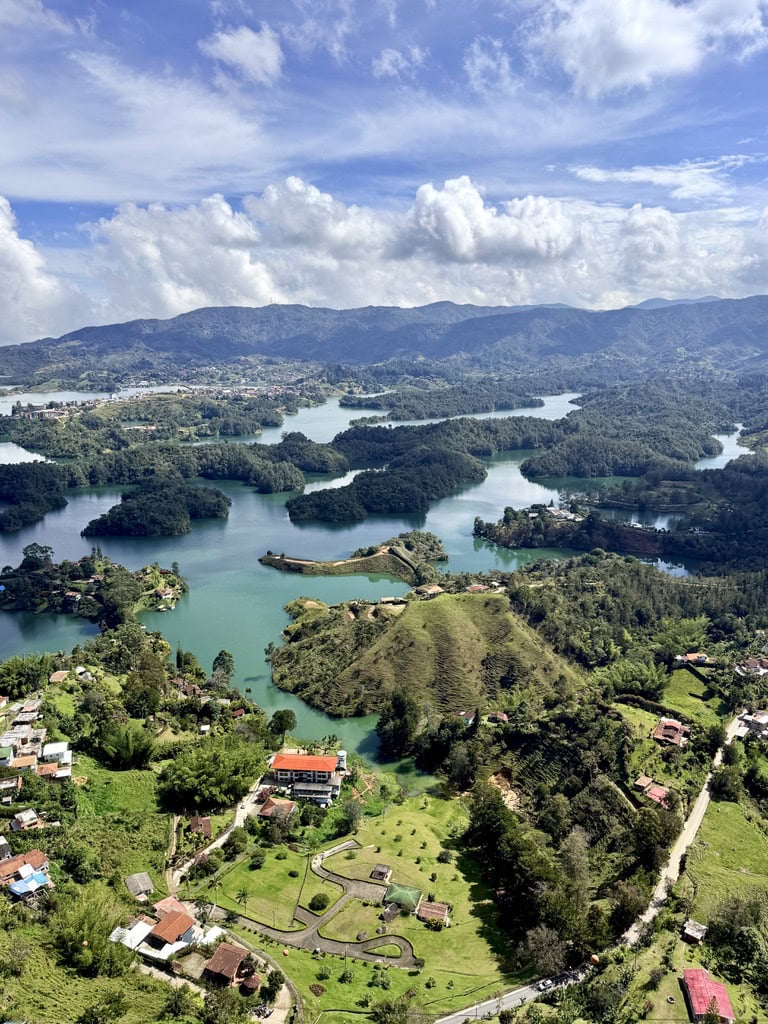
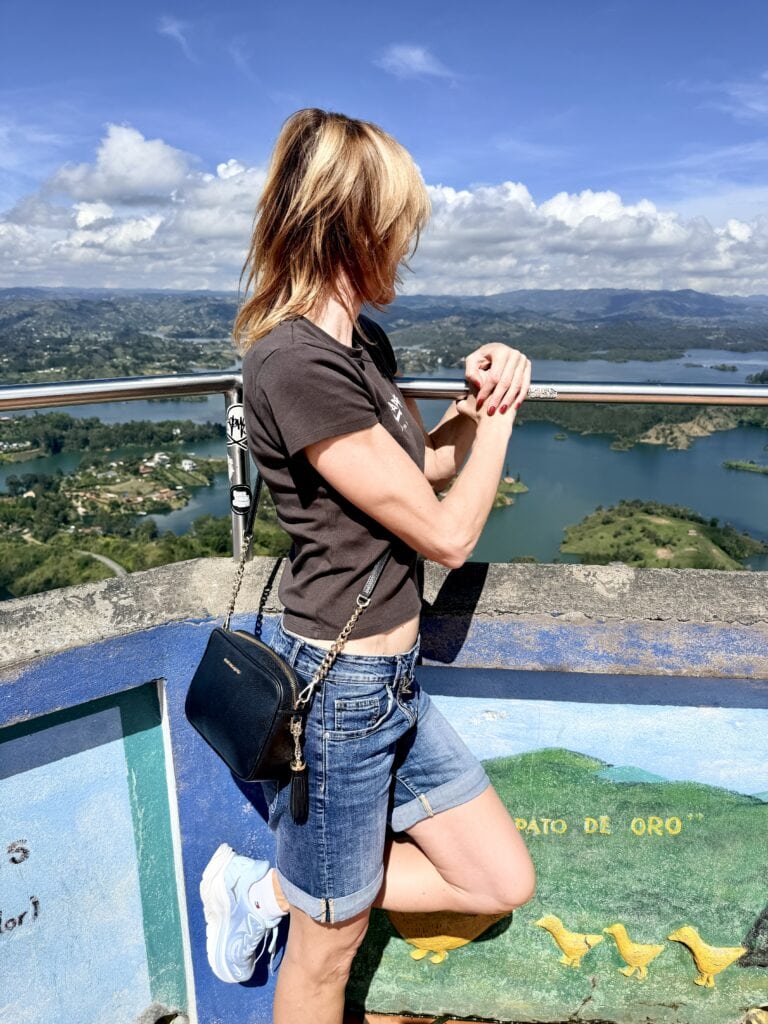
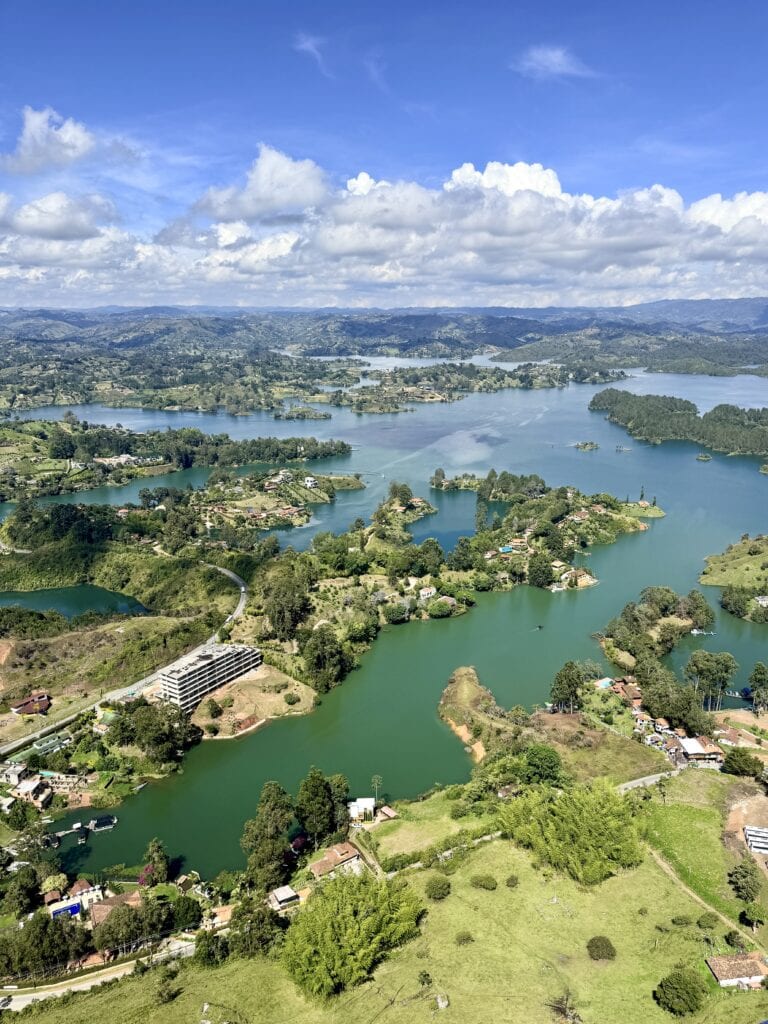
After breakfast, we continued by bus to the first landmark — Guatapé Rock (El Peñol). The rock itself is impressive, but the best part is that you can climb to the top. The entrance fee is 30,000 COP per person, payable in cash, and it takes 706 steps to reach the top. The views over the surrounding landscape and the dam (built in the 1970s, and is used for electricity production) are absolutely priceless.
An interesting fact: the rock was first climbed in 1954 by three climbers — Luis Eduardo Villegas López, Pedro Nel Ramírez, and Ramón Díaz. Villegas López later bought the land, built the stairs, and his family still owns and profits from the site.
We had about 1.5 hours to climb up, enjoy the views, grab a coffee, and relax before continuing the tour.
The next stop was the town of Guatapé itself. It’s possibly the most colorful place I’ve ever seen. With countless small shops, cafés, and photo spots, it takes about 1.5 hours to walk around, and it’s a joy to explore.
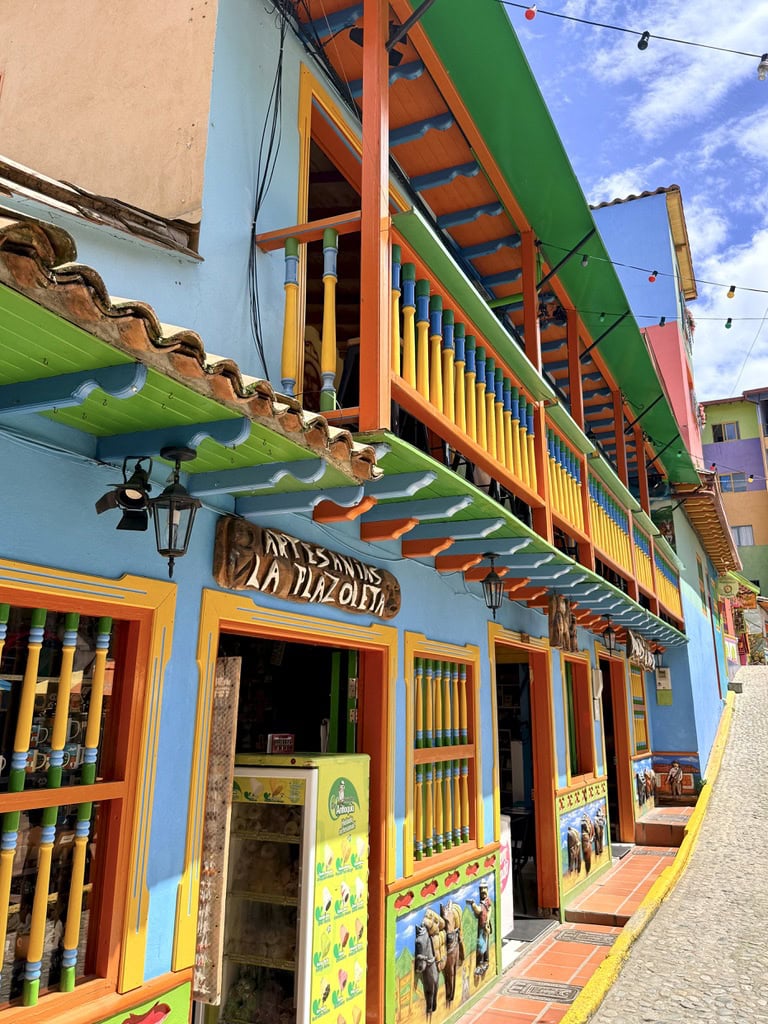
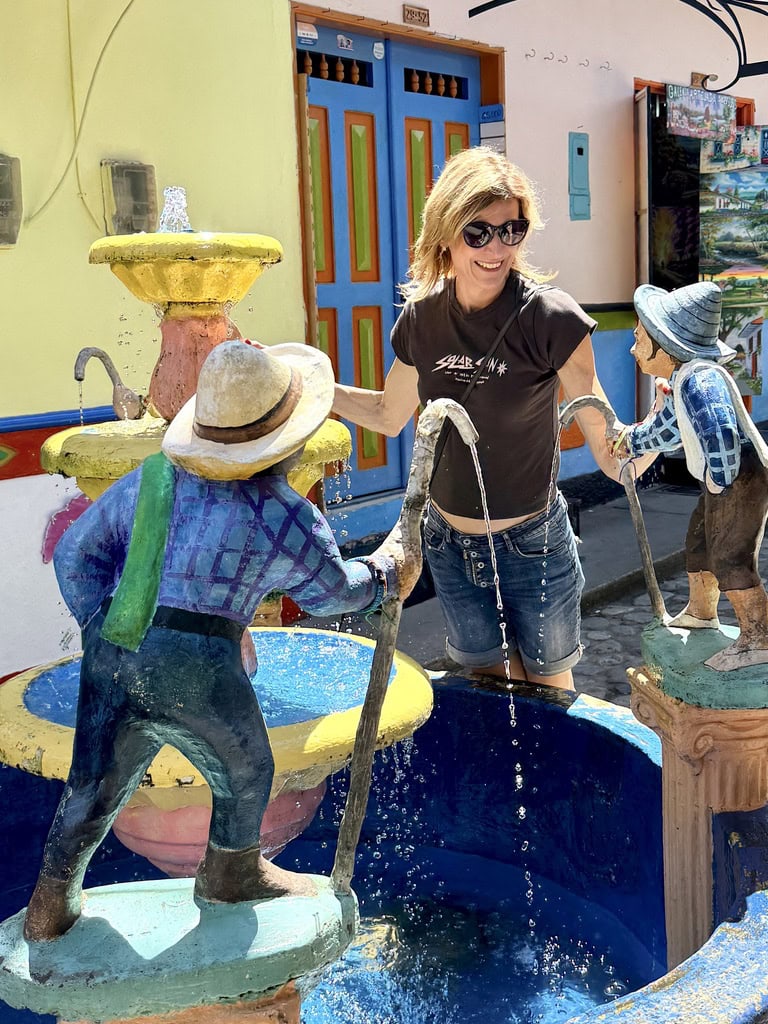
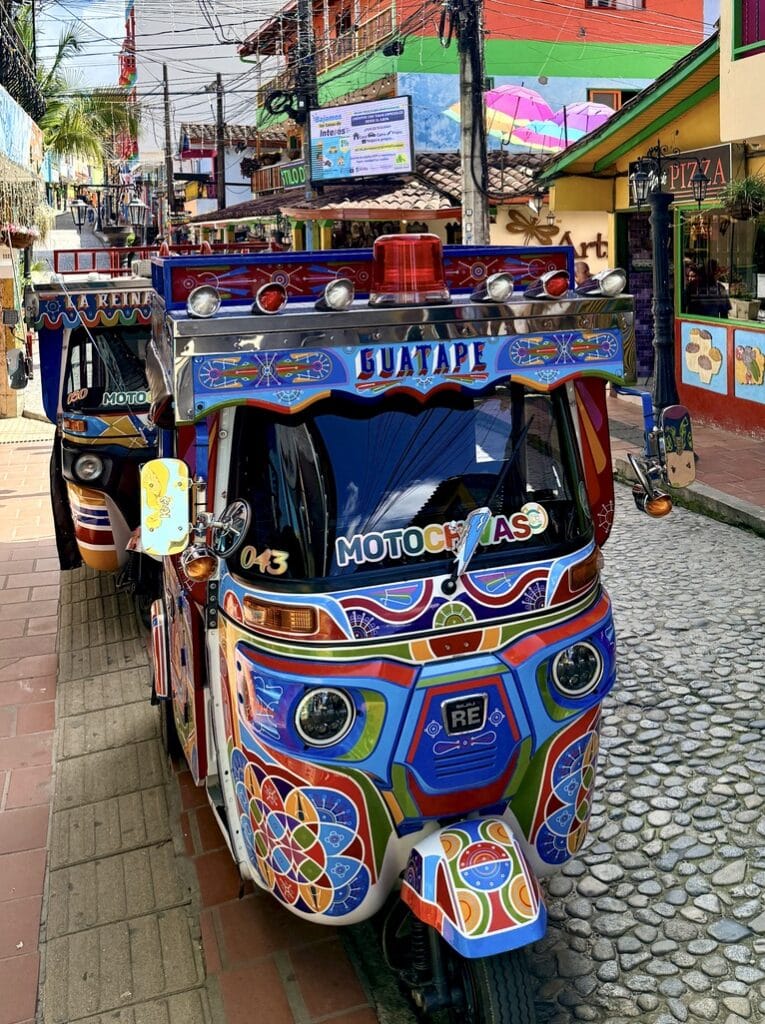
Next up: lunch. We stopped at an outdoor restaurant a few kilometers outside Guatapé for an organized lunch.
After lunch, the program continued with a 45-minute boat cruise on the dam. During the cruise, we learned about the small town that was destroyed and submerged when the dam was built, and we also passed by the ruins of what was once Pablo Escobar’s estate at different points in time.
We got back to Medellín in the early evening. It was a packed day, but absolutely worth it.
Day 8: Medellín – More Than Escobar Walking Tour
Pablo Escobar — drug lord, narco-criminal, and politician. Founder of the Medellín Cartel. A “famous” Colombian criminal whose presence is still felt in the country today. Some people don’t want to talk about him at all, while others still see him as an “icon.” Merchandise with his face is widely available, and even though I personally see no reason to buy it, there is clearly still demand.
He was born in Medellín, and it’s hard to avoid this part of the city’s history. That’s exactly why the More Than Escobar Tour goes far beyond just his name.
This 3-hour walking tour starts by explaining the history of coca leaves in Colombia — how they were traditionally used by Indigenous communities and why coca leaves are not the same as cocaine, as many people assume. The guide explains the process required to produce 1 kg of cocaine, which takes around 350,000 kg of coca leaves, and highlights the devastating impact this process has on both people and nature due to the massive amounts of toxic waste released by illegal drug laboratories.
The second part of the tour focuses on the rise of the Medellín drug cartel, including the political and social context of the time and the role of Pablo Escobar. It addresses the extreme violence, the thousands of innocent lives lost, and the families affected by it.
In the final part, the guide discusses the economic side of drug trafficking and explains how difficult it is to dismantle the system as long as there is constant global demand.
The tour ends at a memorial dedicated to the victims of the years of violence. It stands on the site where Pablo Escobar’s house once stood in Medellín and offers a powerful, sobering conclusion to the city’s dark history.
Day 9: Comuna 13 and Downtown Medellín
Comuna 13
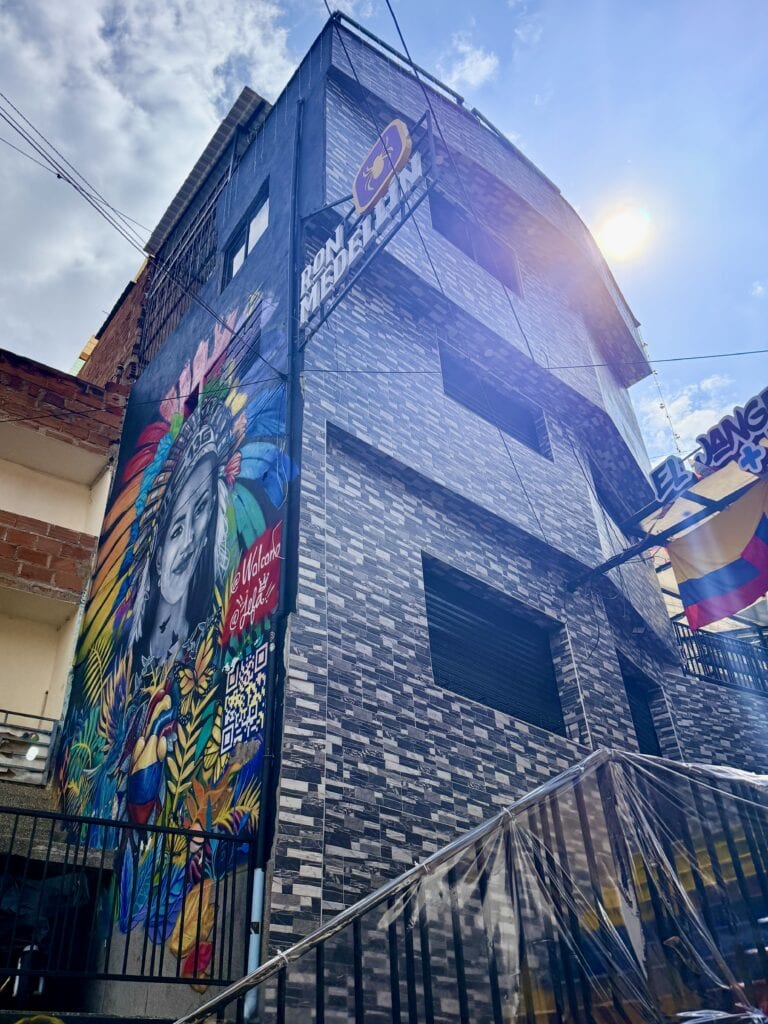
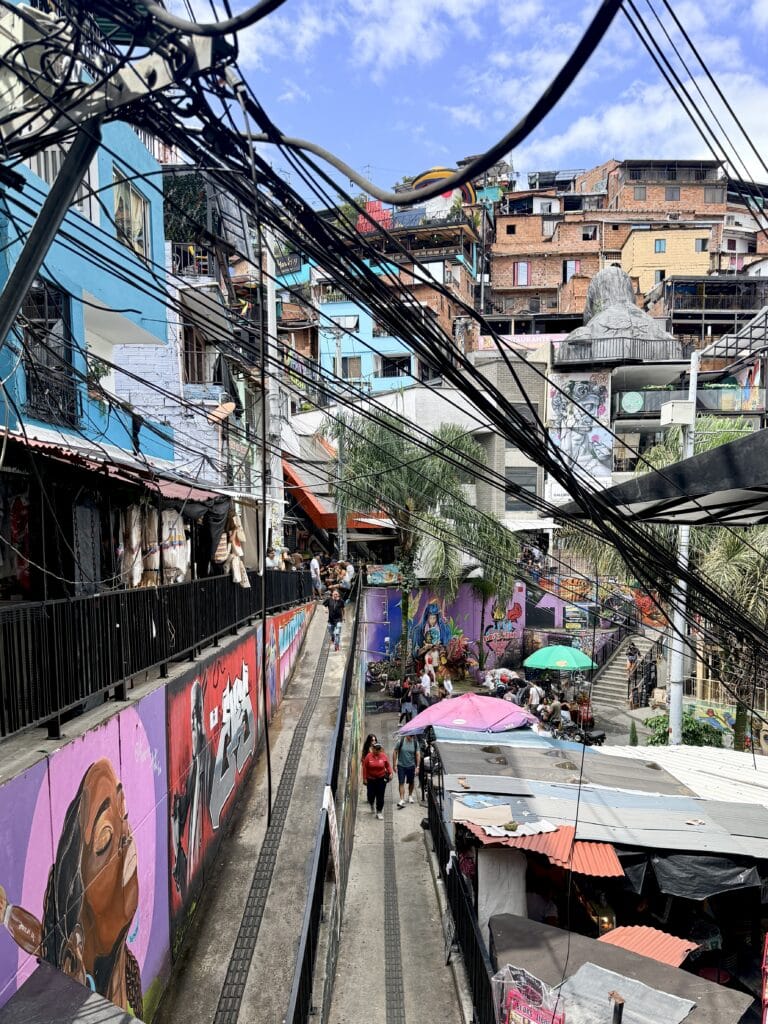
Comuna 13 was once considered one of the most dangerous places in the world and is now in the middle of an incredible transformation into a vibrant (and, of course, touristic) area. The district suffered extreme violence caused by guerrilla and other paramilitary groups, forcing residents to live in constant fear of shootings, bomb explosions, and killings.
We had a local guide who actually lived through those times, which made the experience even more powerful. Hearing not only historical facts but also real, personal insights into life in Comuna 13 back then added so much depth to the visit.
We admired the skills of local hip-hop performers, the colorful murals, and made our way up the hill using the outdoor escalators. The vibe of the place is incredible, and for me, it’s an absolute must-visit while in Medellín.

Downtown Medellín
We spent the afternoon on another free walking tour, this time through downtown Medellín. It’s an area packed with street stalls and shops — honestly, I don’t think I’ve ever seen so many goods in one place — but it’s also a part of the city where you really need to stay alert.
Our guide was great and used an “alert system” from 1 to 5, with 5 indicating areas where we needed to watch our belongings the most. Once again, we learned a lot about the history of the city and this area in particular.
Day 10: Flight to Santa Marta
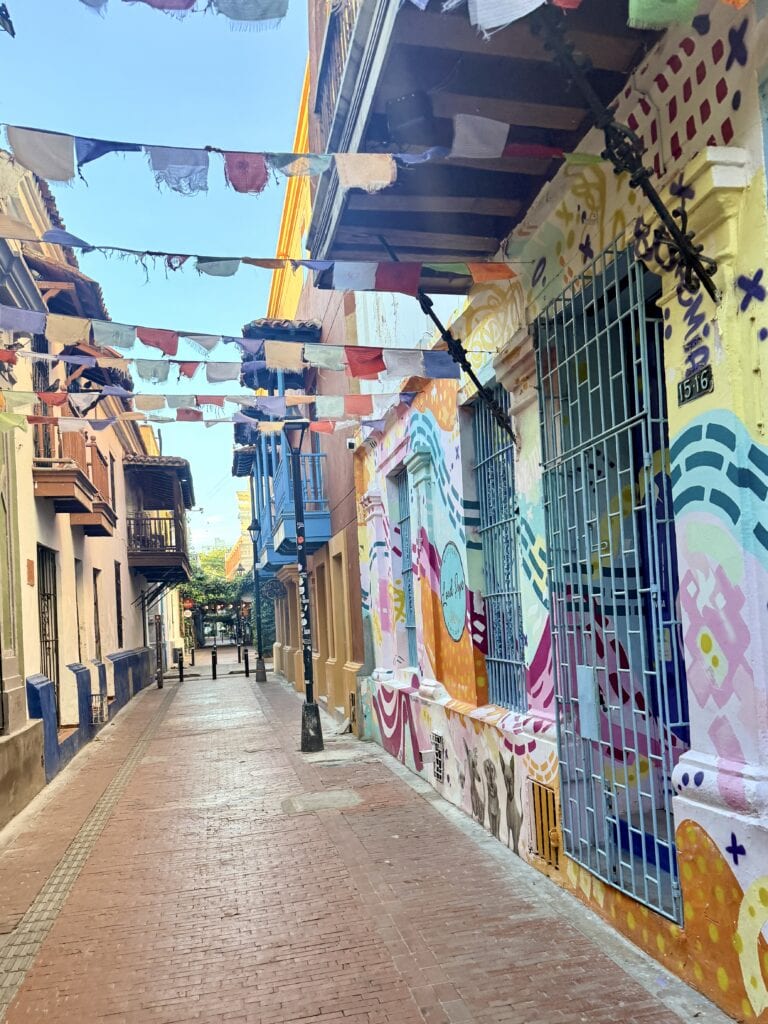
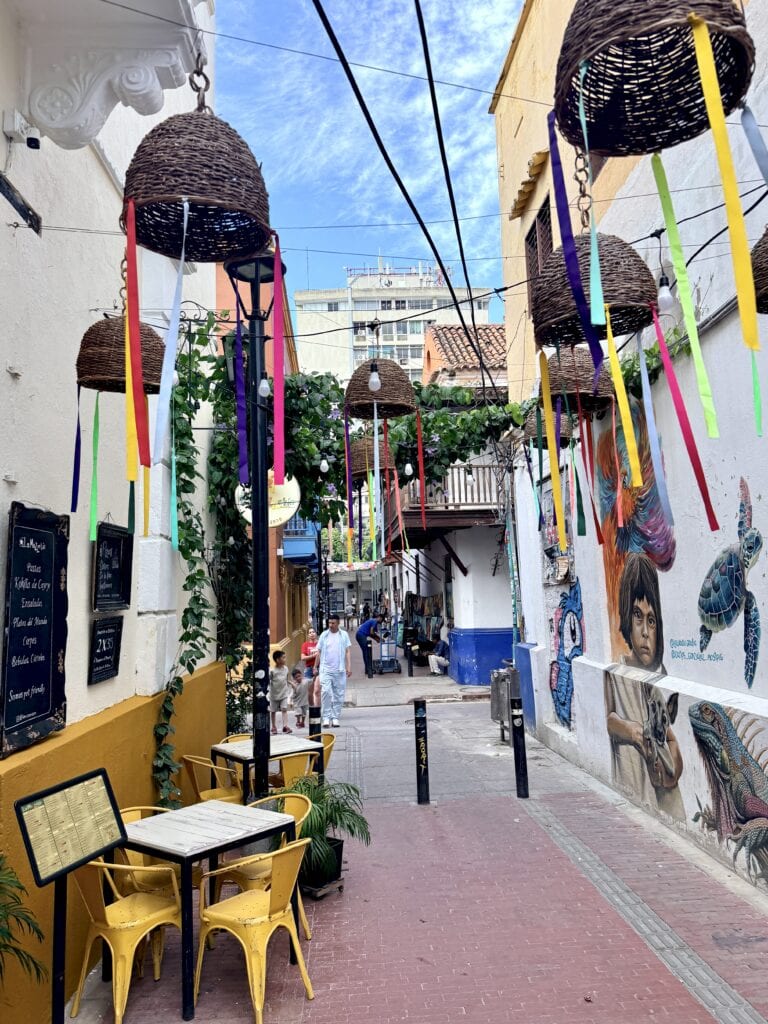
Santa Marta is a city on the Caribbean coast. Founded in 1525, it is actually the first city in Colombia and one of the oldest colonial cities in Latin America.
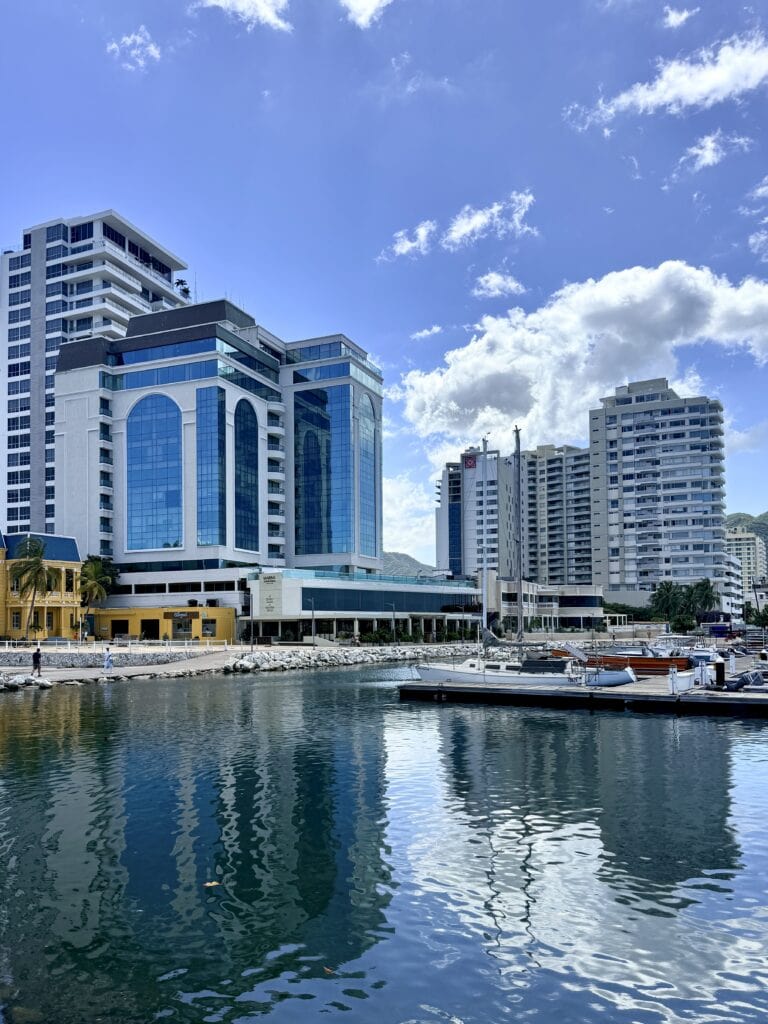
I booked a hotel in the historic city center, within walking distance of restaurants, shops, and the beach. After settling in, we headed out to the beach promenade, walking from the port toward the marina. It was a great walk, but I have to admit I was a bit disappointed with Santa Marta’s main beach. It wasn’t very clean, and the sea didn’t quite match the blue Caribbean waters I had imagined.
The good news, though, was that my hotel had a beautiful pool in its courtyard, which quickly became my favorite place to relax and get some work done.
I also really enjoyed evening walks around the city and having so many restaurants to choose from for dinner.
Day 11: Day Trip from Santa Marta to Tayrona National Park
I booked this tour about two days in advance, but here’s the truth: I was really let down and had to come up with an alternative plan.
Normally, I don’t use the Viator platform. This time I did — and it was a mistake. I wanted to do a walking tour through the park to reach Cabo San Juan, but I struggled to find an English-speaking tour at the time of booking. Eventually, an offer on Viator popped up. I read the tour description carefully — English-speaking guide for the whole day, park entry fee included, and transport included. The reviews also looked good, so I went ahead and booked it.
The afternoon before the tour, I received a message from the activity provider saying that I would be picked up at the hotel and dropped off at the park entrance gate. From there, I’d be on my own — I would need to pay the park entry fee myself and find my own way through the park. And for that, they charged USD 160 for two people.
Understandably, I was very upset and messaged the activity provider. No reply. I then contacted Viator — they replied quickly but weren’t very helpful either.
After quite a few angry messages, I finally received a response from the activity provider in the early evening. They claimed I was getting what I booked but said they were willing to cancel and refund if I wasn’t happy.
Moral of the story? I cancelled the tour and booked one through a local tour office in Santa Marta instead. Even though it was with a Spanish-speaking guide — I literally couldn’t find anyone offering an English-speaking tour — the price for the full day wasUSD 110 for two people.
At 6:20 am, we were picked up at the hotel by our Spanish-speaking guide and walked to the meeting point where a bus full of Spanish-speaking tourists was waiting. That was exactly the moment when a translation app with offline language support and my Apple AirPods Pro came in very handy.
We reached the park entrance after about a 30-minute drive. There, we had around 30 minutes to grab breakfast and coffee at the restaurants and shops near the entrance. The guide organized the tickets (all included in the tour price), and then we got back on the bus and drove another 10 minutes inside the park to the starting point of the hike.
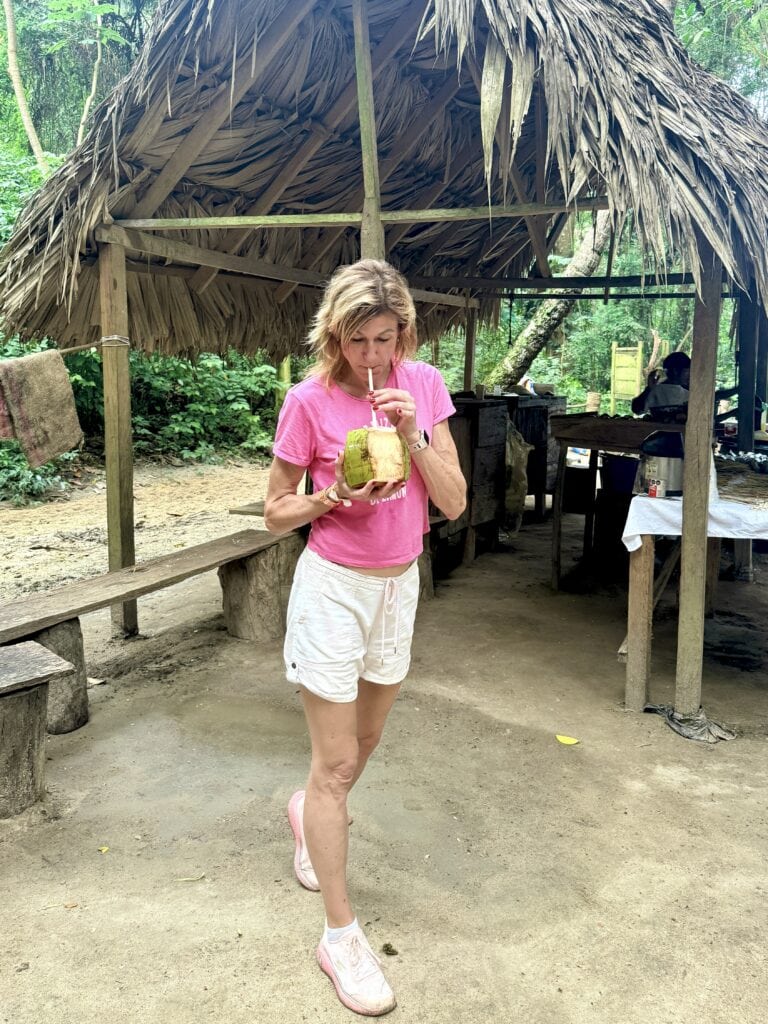
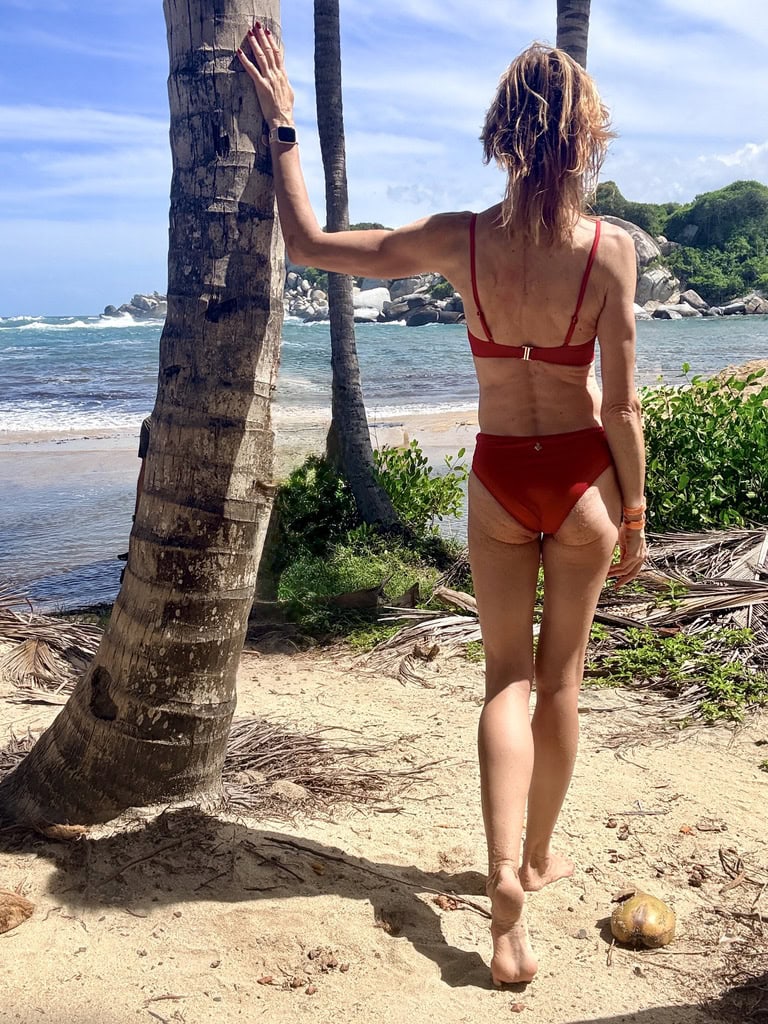
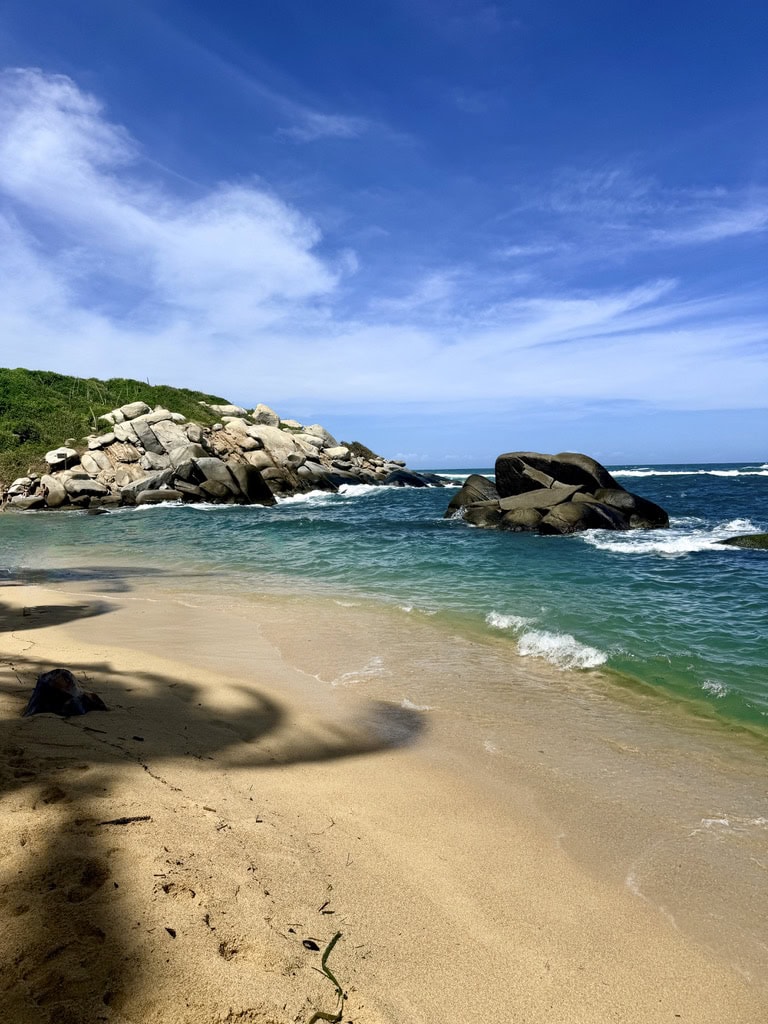
The walk through the national park takes approximately 2 hours, with a few stops along the way to buy fresh lemonade, coconut water, or ice cream. The final destination was Cabo San Juan beach, which we reached around 11 am.
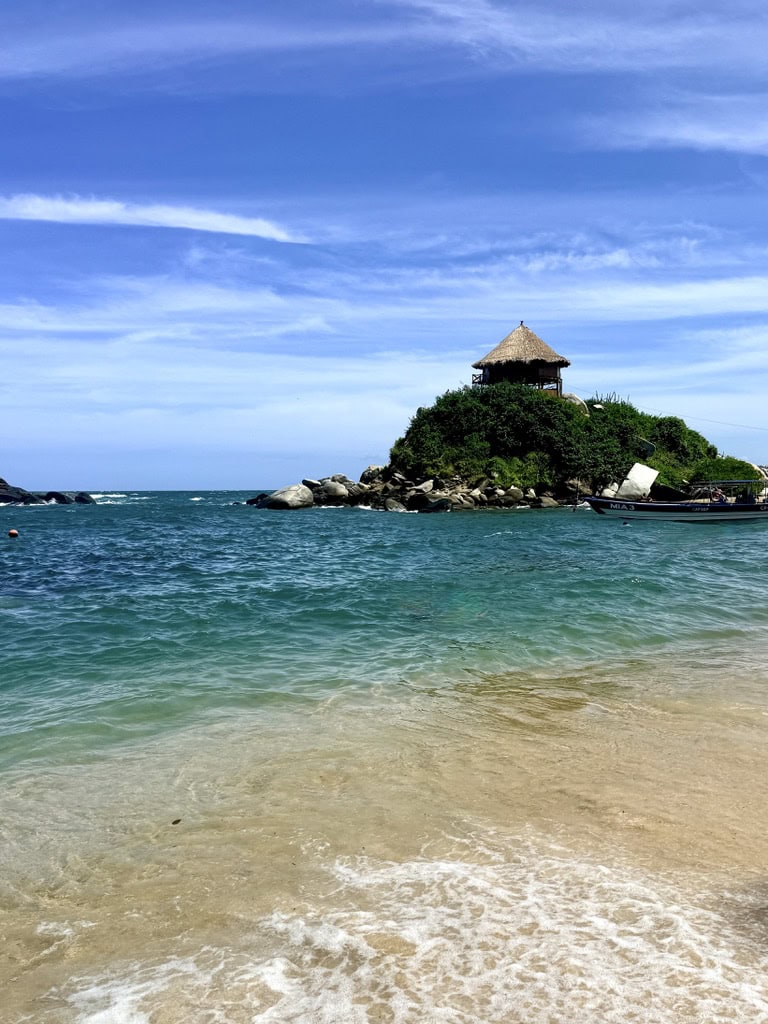
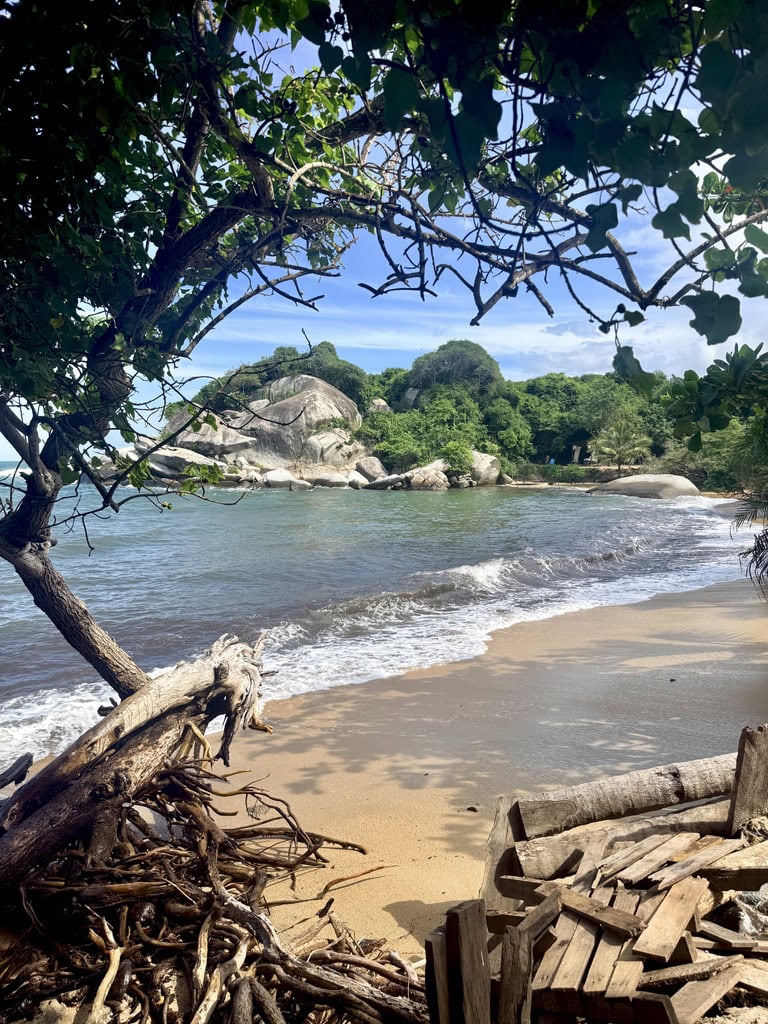
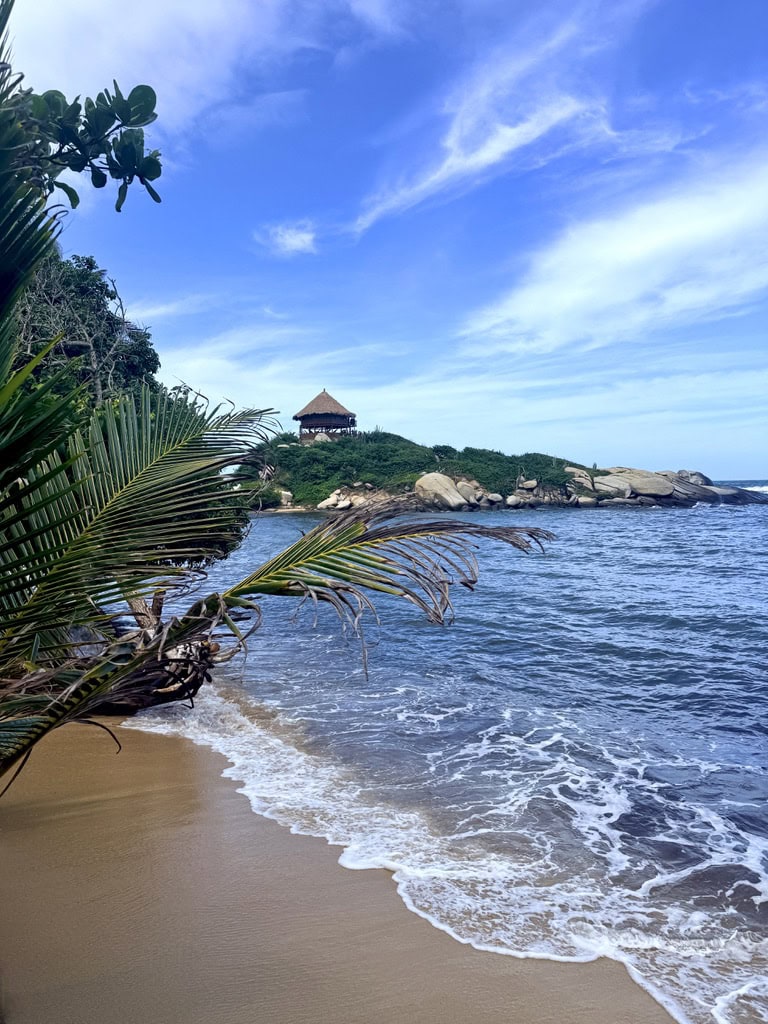
Cabo San Juan is a pretty beach, but I’ll be honest — I’ve seen better beaches in my life. Since it’s the main highlight of the park, it was quite crowded, which is understandable. The sea also wasn’t particularly pleasant for swimming, with strong waves breaking near the shore. Again, it didn’t quite match the Caribbean I had imagined. That said, this is purely my personal opinion — I’m probably comparing it to places like Barbados, where the sea is calm, blue, and perfect for long swims.
Once we arrived at the beach, our guide asked us to pre-order and pay for lunch, which was scheduled for 12:30 pm. We reached the beach restaurant just before that time, and the food was served immediately — everything was very well organized and efficient.
After lunch, we had some free time, so we walked up to a small viewpoint and enjoyed the scenery. We started the walk back at 2 pm, reaching the bus around 4 pm.
All in all, it was a very pleasant outdoor experience. I was really glad we did it with a guide — even a Spanish-speaking one. Without guidance (and without being able to communicate effectively in Spanish), we would probably have felt quite lost.
Day 12: Half-Day Trip from Santa Marta to the Aquarium and Playa Blanca
After spending the whole day in Tayrona National Park, I decided to take it easy the next day — relax in the morning, get some work done, and head out for a half-day excursion in the afternoon.
The best option I found was a boat trip to the Aquarium and Playa Blanca. To be honest, I booked this excursion through the same tour provider as the Tayrona trip, mostly because I didn’t spend much time researching it. In reality, this is something that can easily be done independently.
The excursion starts in Rodadero, a holiday-style area about a 20-minute drive from Santa Marta city. Looking back, if I were to plan this trip again, I might consider staying in this area instead. The beach is much nicer, there are plenty of shops and restaurants, and it’s still just a short taxi ride into Santa Marta.
There’s a company called Taxi Marino Travels, located at the end of Rodadero Beach, that organizes boat transport to different beaches, including the Aquarium and Playa Blanca.
Aquarium – This was our first stop before heading to Playa Blanca. Honestly? Not too impressive. I’ve seen better aquariums before. The main attraction seems to be the dolphin shows and the option to pay extra for a guided dolphin experience. I’ve done that before, but I’m sure many people would still enjoy it.
After about an hour at the Aquarium, we were taken to Playa Blanca. As part of the tour, we had a late lunch at a local beach restaurant.
Playa Blanca – A nice beach, but again, quite crowded. Renting an umbrella and two chairs costs about USD 8, and the toilets are not free, so you’ll need some cash.
My overall take? Not overly impressive — but still a pleasant way to spend a relaxed afternoon by the sea.
Day 13: Transfer to Cartagena
Since there’s no direct flight between Santa Marta and Cartagena, I arranged a private car transfer. It was an easy and straightforward ride that took around 4 hours.
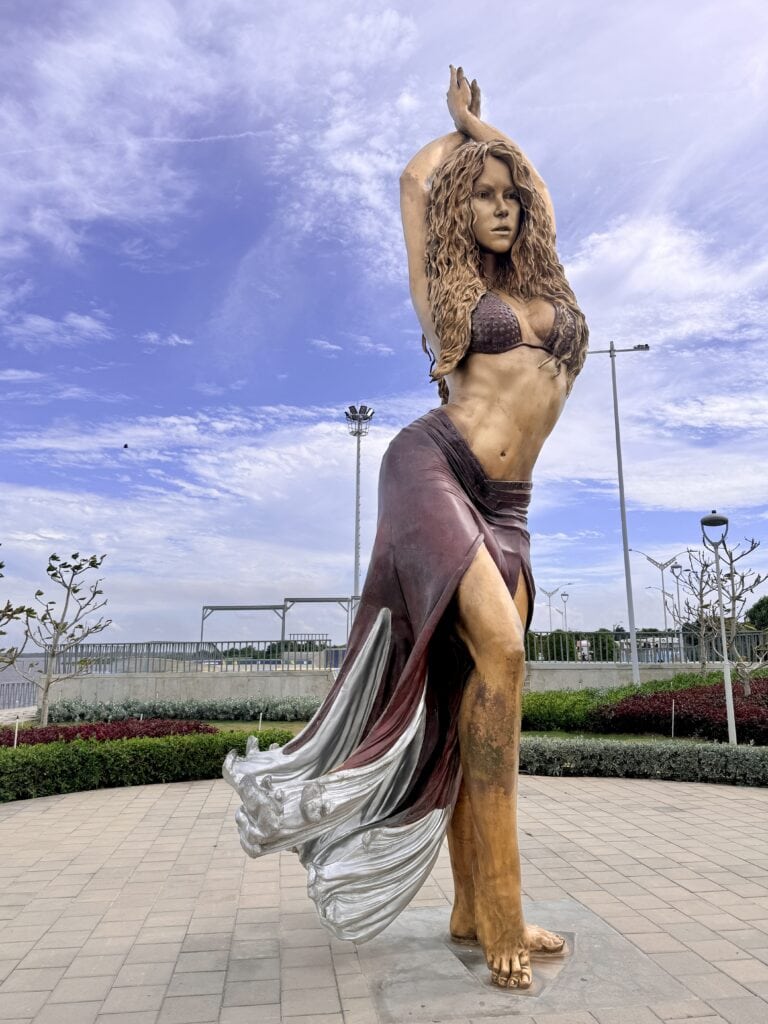
An interesting city we passed along the way was Barranquilla, the city where Shakira was born — and yes, there’s a huge statue of her there. Of course, it was a perfect opportunity to stretch our legs and take a photo.
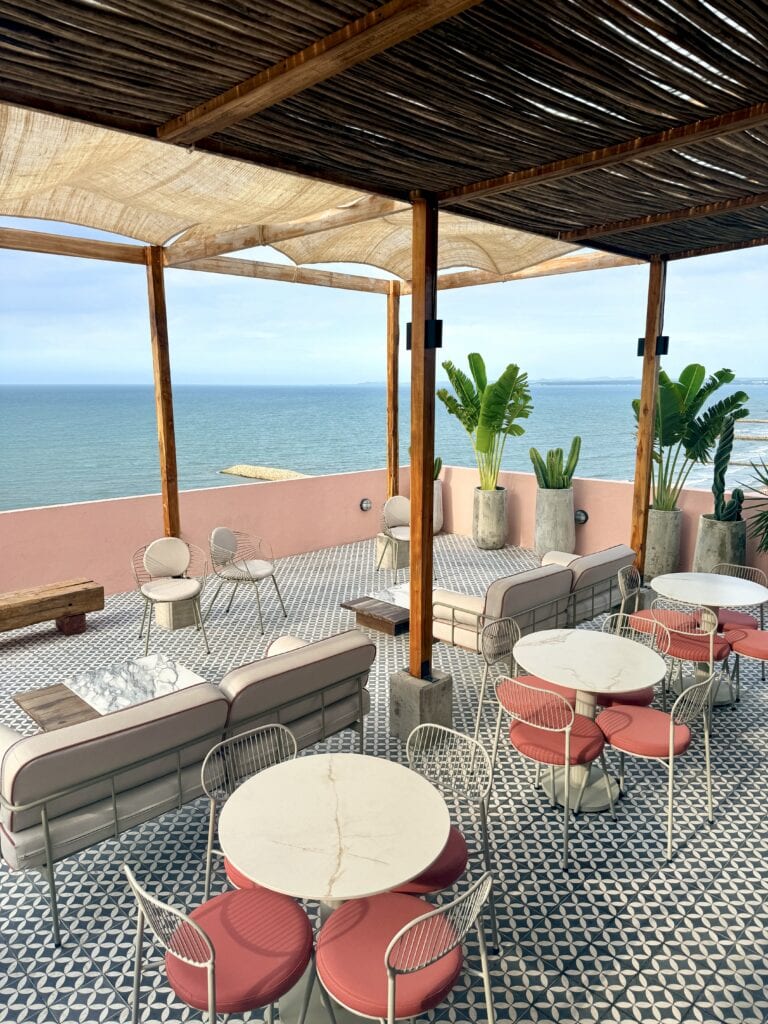
We arrived in Cartagena in the early afternoon and settled into our accommodation. Once again, there was a decision to make about where to stay. I was choosing between two options: the historic city center or the beachfront. In the end, I chose the beachfront and found a really great place — Bondo Estudio.
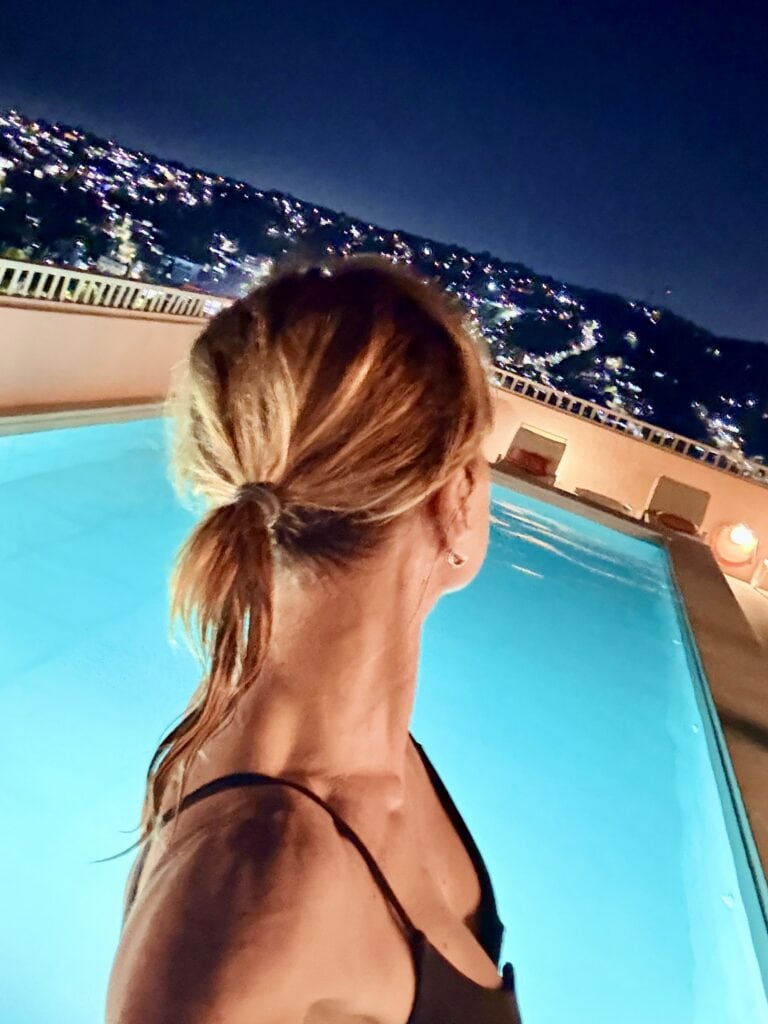
It’s more of an apartment-style building, but it has reception, 24-hour security, a great coffee shop downstairs, and a fantastic rooftop terrace with a bar and swimming pools — all overlooking the beach and the Caribbean Sea. The historic center is about an 18-minute walk away.
Getting our first glimpse of historic Cartagena and enjoying an evening swim in the rooftop pool was the perfect way to spend the rest of the day.
Day 14: Cartagena de Indias
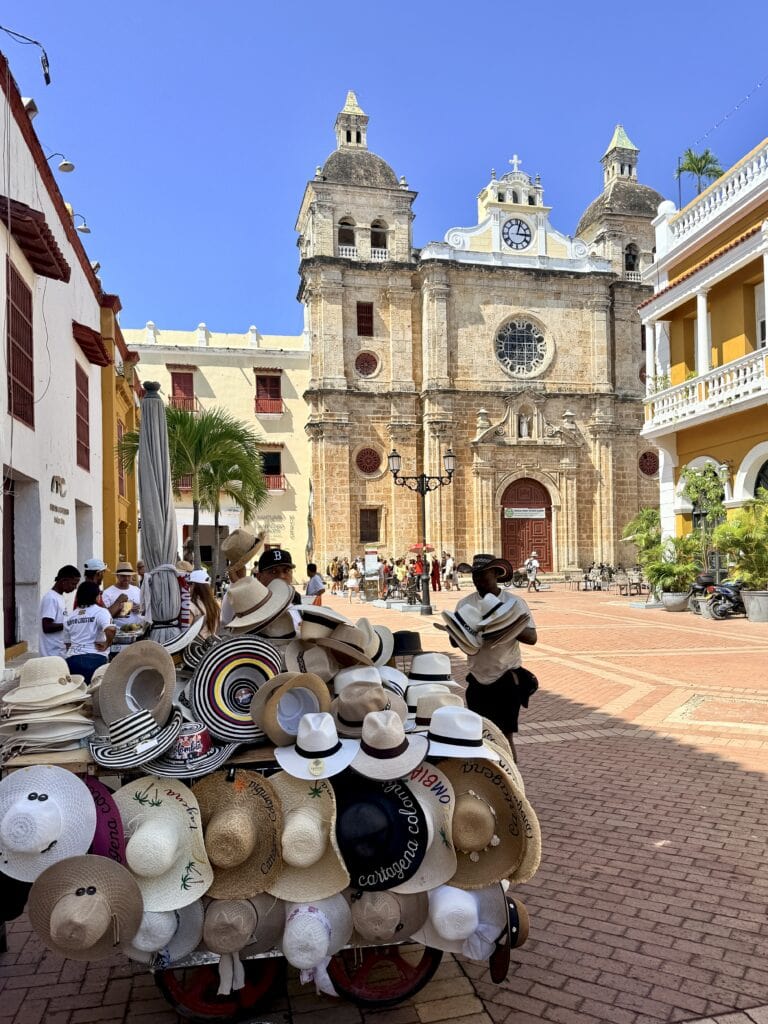
The historic walled city of Cartagena is a major port and a UNESCO World Heritage Site. During Spanish colonial times, it was a key port and hub for the import of enslaved people from Africa.
Nowadays, the city has around 900,000 inhabitants and offers a mix of historic architecture and modern buildings with high-rise skyscrapers.
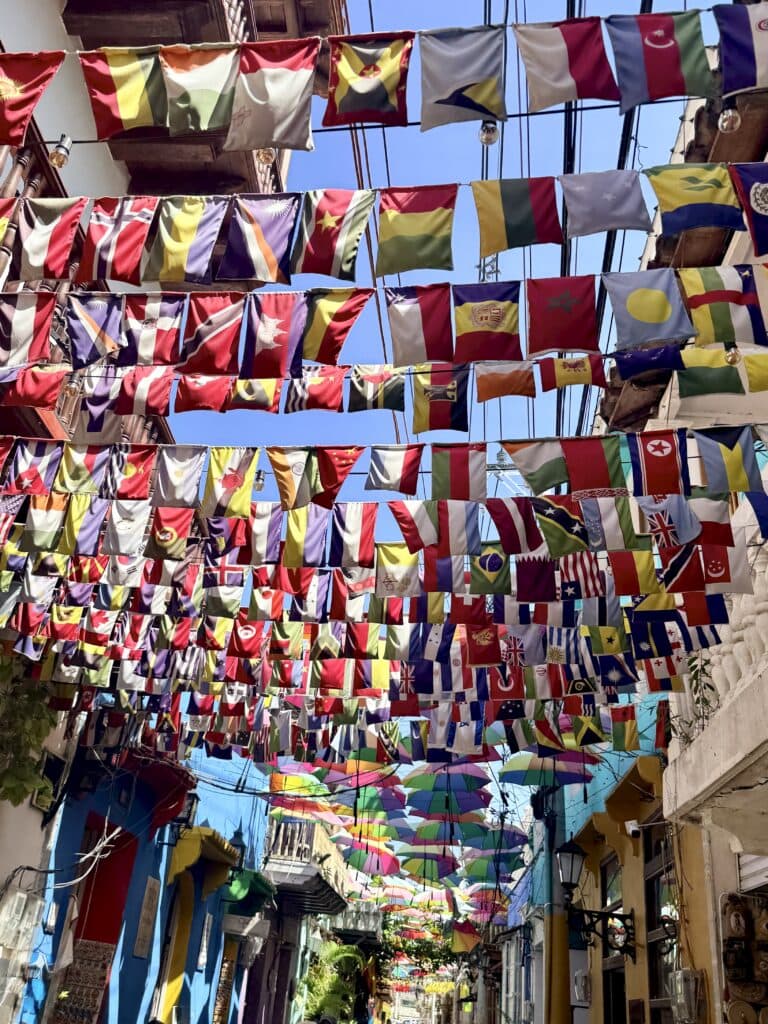
As in the other cities, I booked a guided free walking tour to learn more about the history and culture. It’s always my favorite way to get an introduction to a place.
By early afternoon, it was time to enjoy the lovely rooftop terrace and swimming pool — the heat and humidity are really intense in Cartagena.
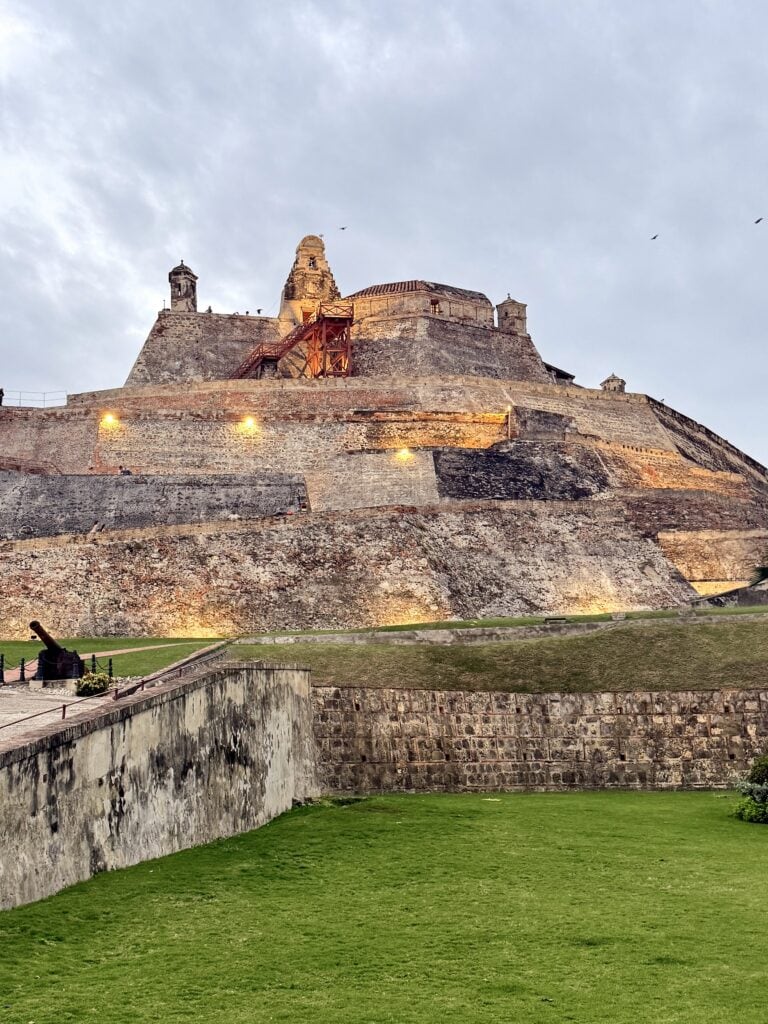
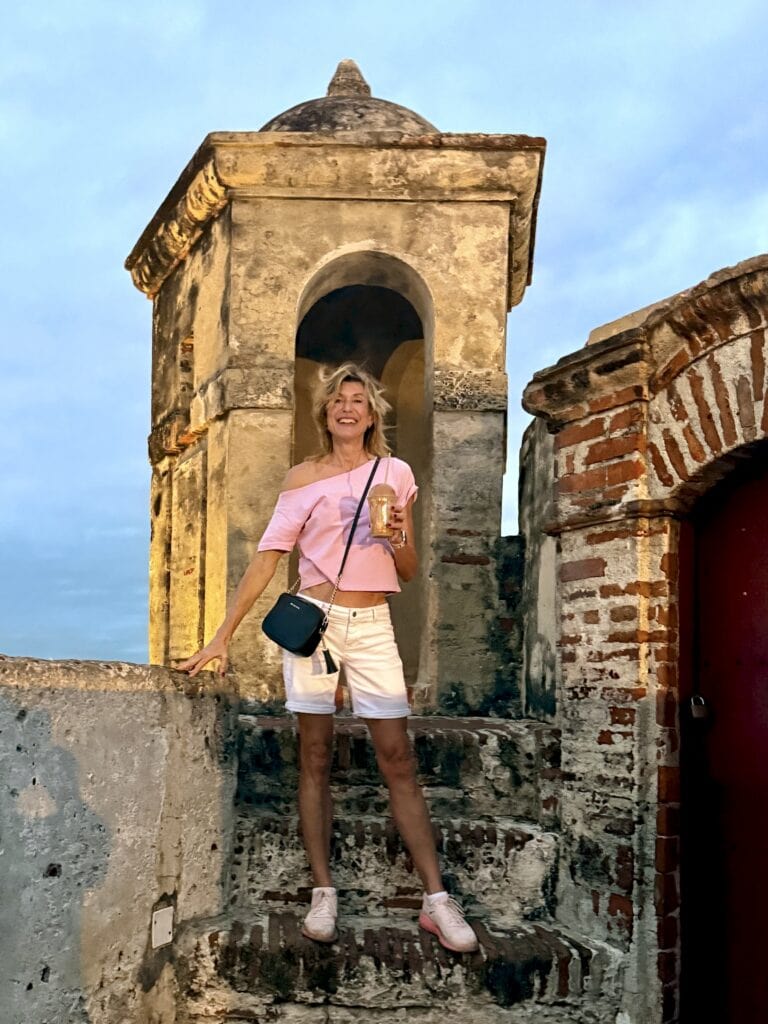
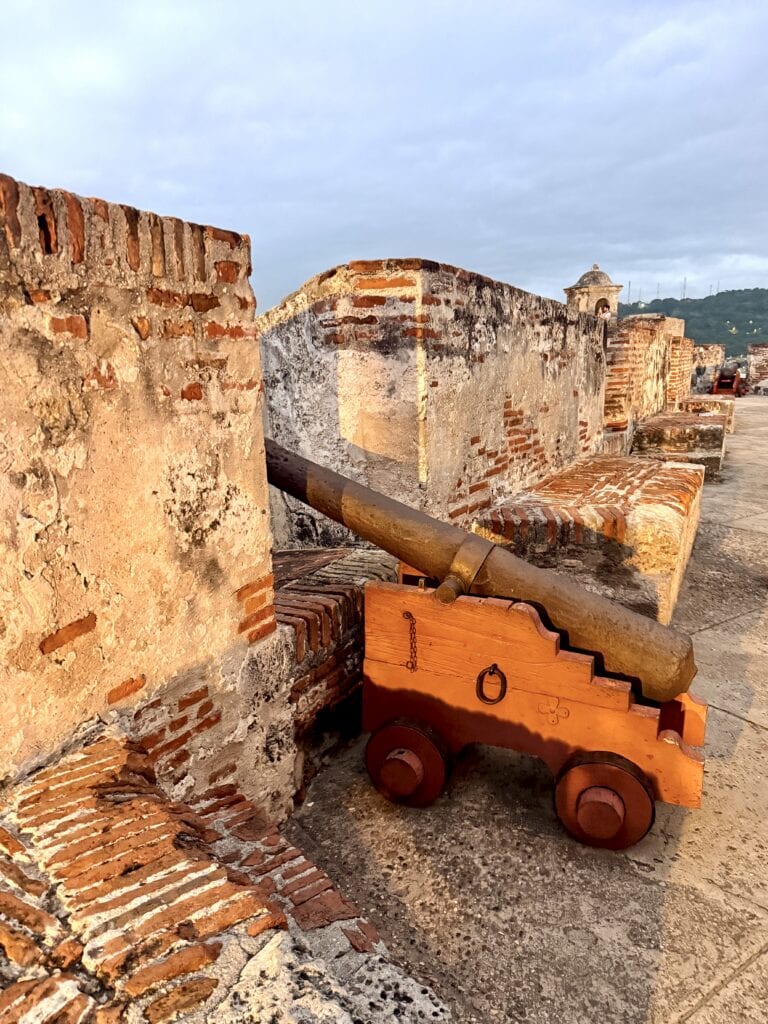
In the early evening, we headed back toward the historic center and decided to visit San Felipe de Barajas Fort, a massive fortress built during the Spanish colonial period between the 17th and 18th centuries. It’s easily reachable on foot from the historic city center. There’s an entrance fee payable at the bottom of the hill before you walk up to explore the fortress.
Day 15: Rosario Islands
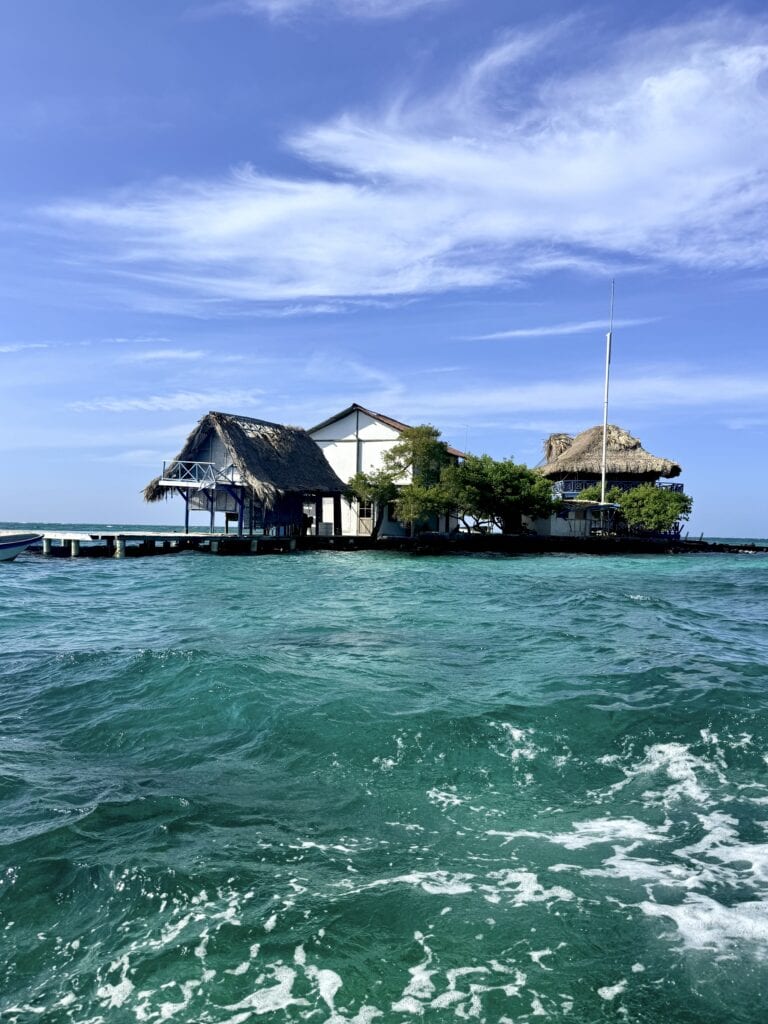
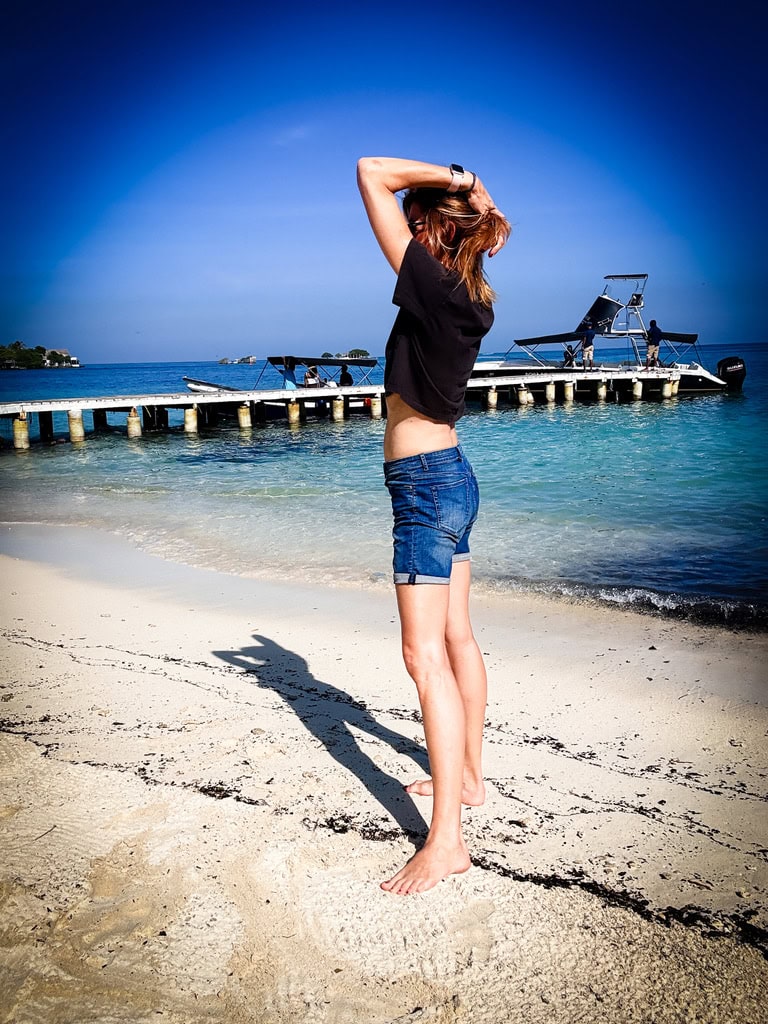
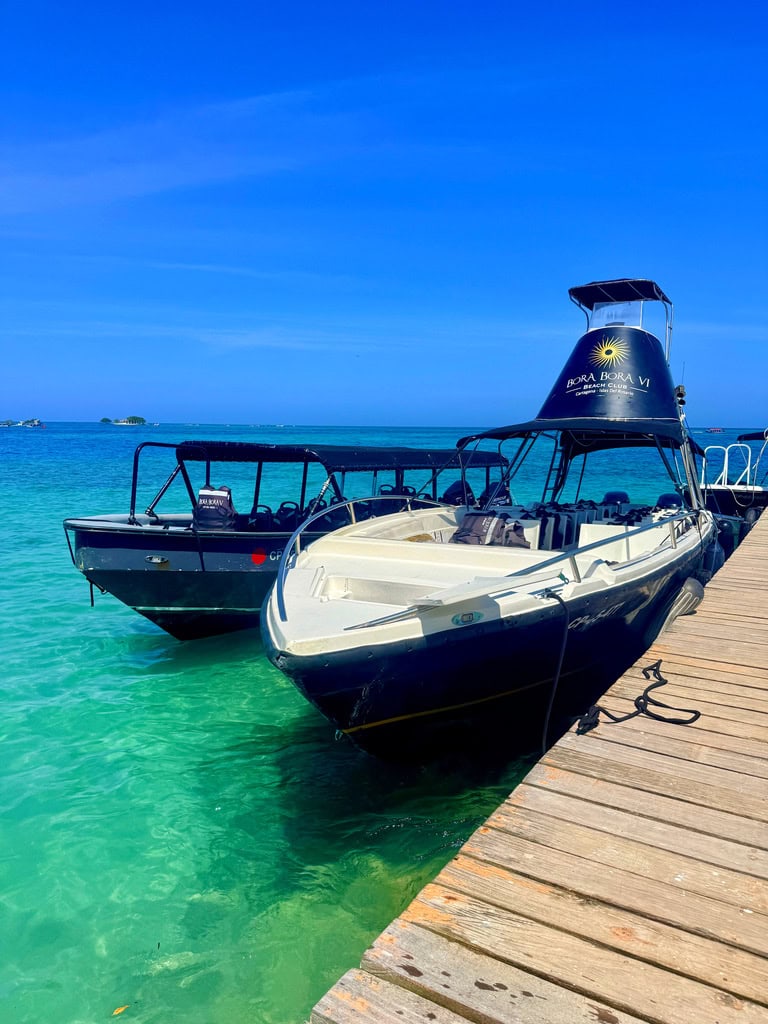
One of the “must-do” boat trips from Cartagena is visiting the Rosario Islands to experience that real Caribbean blue. To be honest, I expected the sea in Cartagena itself to be beautifully blue and clean — but that’s not really the case. That’s why the Rosario Islands are the place to go.
There are different day-tour options available, from island-hopping trips to day passes at beach clubs. I chose the beach club option. I really enjoy a relaxed day where I have my umbrella, beach chair, and a bar nearby for drinks. The beach club I visited was Pao Pao Beach Club.
It took about 50 minutes by speedboat from the boat terminal to reach the island. Upon arrival, we were welcomed by the staff with a welcome drink and could choose our beach chairs for the day. The package included a 30-minute guided snorkeling session as well as lunch.
I had a lovely day, but honestly? It didn’t quite meet my previous Caribbean experience in Barbados. For me, the Aegean or Ionian Sea in Greece — or even southern Albania — is just as beautiful, and the overall service at beach clubs there is often far superior.
We arrived back in Cartagena in the late afternoon, just in time for a shower and heading out to find a nice restaurant for dinner.
Day 16: Last Day in Cartagena and Evening Flight Out
The morning plan was simple — one more walk around the historic walled city. I specifically wanted to visit some emerald shops to see if I could find a nice Christmas present and a lasting memory of Colombia.
Colombia is famous for its emerald mines and is one of the world’s leading producers of emerald jewelry. Colombian emeralds are known for their exceptional quality and rarity, so it truly is the place to make a purchase.
After visiting several shops, I finally found a pair of earrings that I absolutely loved — and, of course, I bought them.
What a perfect way to finish my Colombian adventure!
